Polk Audio RTi A7 Floorstanding Speaker — Review
Overview
Introduced in 2007, the RTi A7 sits second from the top of Polk’s RTi series — a lineup that quickly earned a reputation for packing real-wood veneers, upgraded drivers, and construction techniques borrowed from far pricier speakers into a genuinely affordable range. Nearly two decades later, the RTi A7 is still talked about and still available on the used market, which says a lot about how well the design has held up.
Build & Design
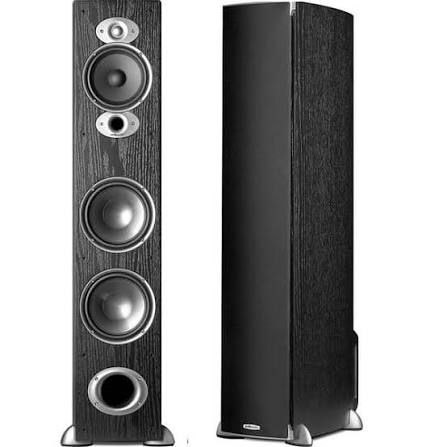
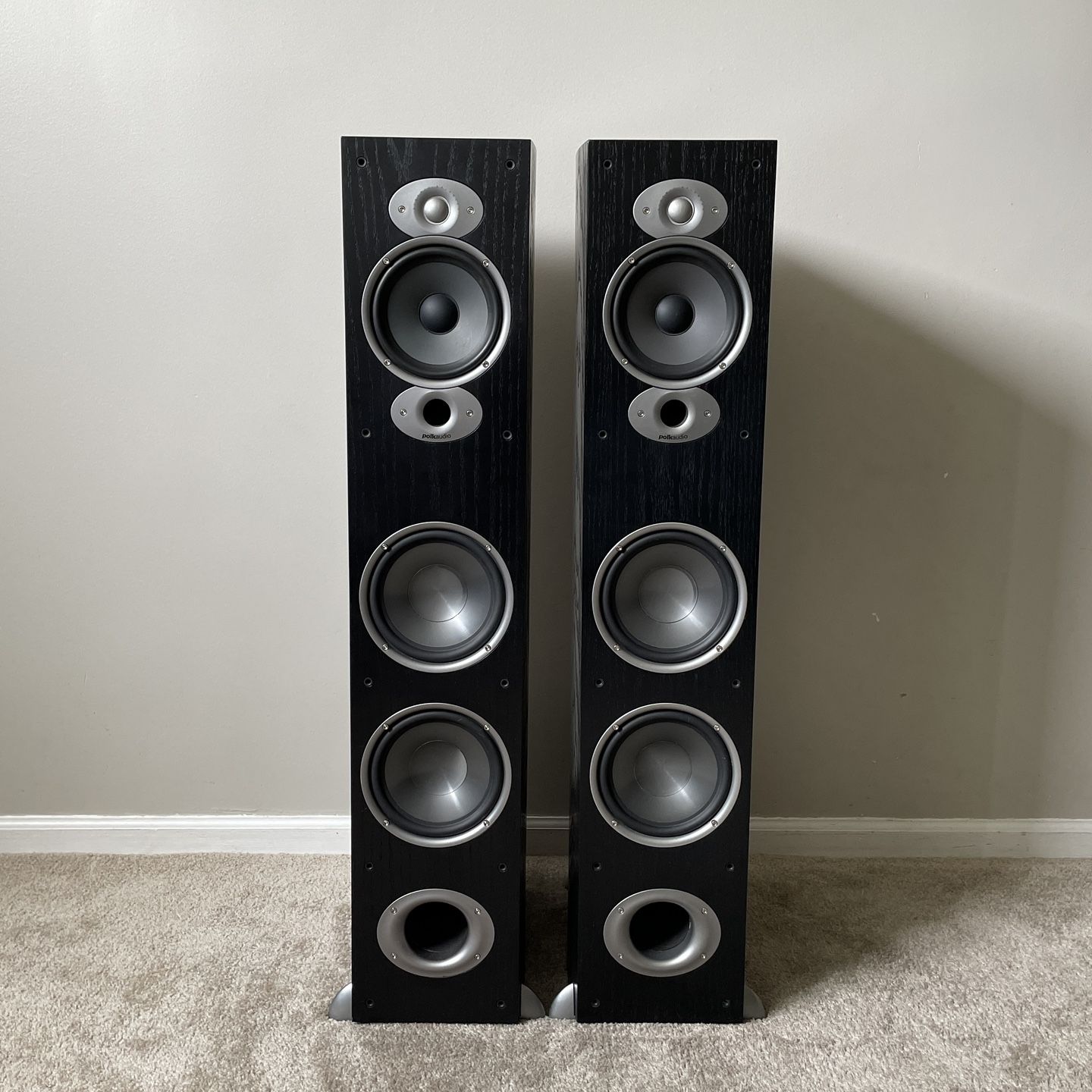
The cabinet for Polk Audio RTi A7 uses Polk’s proprietary curved, 6-layer DAHLI enclosure construction, engineered for optimal shear damping to create a rigid, acoustically inert cabinet with minimal resonance — real cabinetry science rather than just a wood veneer wrapped around a plain box. Real-wood veneer finishes (including a well-regarded cherry option) give it genuine furniture-grade looks, and reviewers have specifically praised the fit and finish as a clear step up from the more basic Monitor series it was often upgraded from.
The driver array is generous for the price point: a 1-inch tweeter, a 6.5-inch midrange driver housed in its own separately tuned internal enclosure for added clarity, and dual 7-inch polymer composite bass drivers with rubber surrounds. Polk’s PowerPort Plus technology — combining a front-firing and rear-firing port — supplements low-end output and extension.
Performance
Reviewers consistently describe the RTi A7 as delivering “classic Polk” performance: fast, neutral, and full of weight and punch. HomeTechnologyReview specifically called out its combination of speed and neutrality with genuine musical punch, while multiple owners report being surprised at just how little they need a subwoofer for two-channel listening — one long-time reviewer described full-range 2-channel sound as “stupendous” straight out of the box. Bass extension is a particular strength, with in-room response reported reaching down to around 20Hz, remarkable for speakers at this price point.
Mid- and high-frequency detail also earns consistent praise, with one reviewer directly comparing the A7 favorably against older, pricier speakers and finding the Polk’s clarity “light years ahead,” particularly well suited to high-resolution formats. The one consistent caveat across reviews: the RTi A7 can be sensitive to amplifier pairing. Reviewers note that an overly warm-sounding amp can occasionally muddy the midrange and mute vocal presence, so a clean, well-controlled amplifier tends to bring out the speaker’s best qualities.
Features
At 8 ohms nominal impedance, the RTi A7 is an easy speaker to drive, pairing well with anything from consumer-grade AV receivers to modest stereo amplifiers — though reviewers note that stepping up to a slightly better amp (a good Denon or entry-level Marantz was one specific example) tends to reward the speaker with tighter bass control and improved midrange clarity. The design also supports bi-amping for listeners wanting to push performance further.
Value
As part of a well-regarded, long-running series, the RTi A7 has built a strong reputation for delivering performance and build quality well beyond its original price bracket — reviewers have directly compared it to speakers costing twice as much. Now out of production, it remains a popular and well-reviewed used-market pick, with owner ratings holding up strongly years after release.
Verdict
Pros: Genuine real-wood cabinetry with sophisticated internal bracing; surprisingly deep, extended bass for the price; detailed, clear mid- and high-frequency performance; easy to drive; strong reputation and resale value even years later.
Cons: Can sound slightly muddled in the midrange if paired with an overly warm amplifier; large footprint typical of dual-woofer floorstanders; now discontinued, so buying means the used market.
Bottom line: The RTi A7 earned its reputation honestly — a genuinely well-engineered floorstander that punched above its price when new and remains a smart, well-regarded used buy today, especially for anyone pairing it with a clean, well-controlled amplifier.