Audio Research DAC 3 Reviews
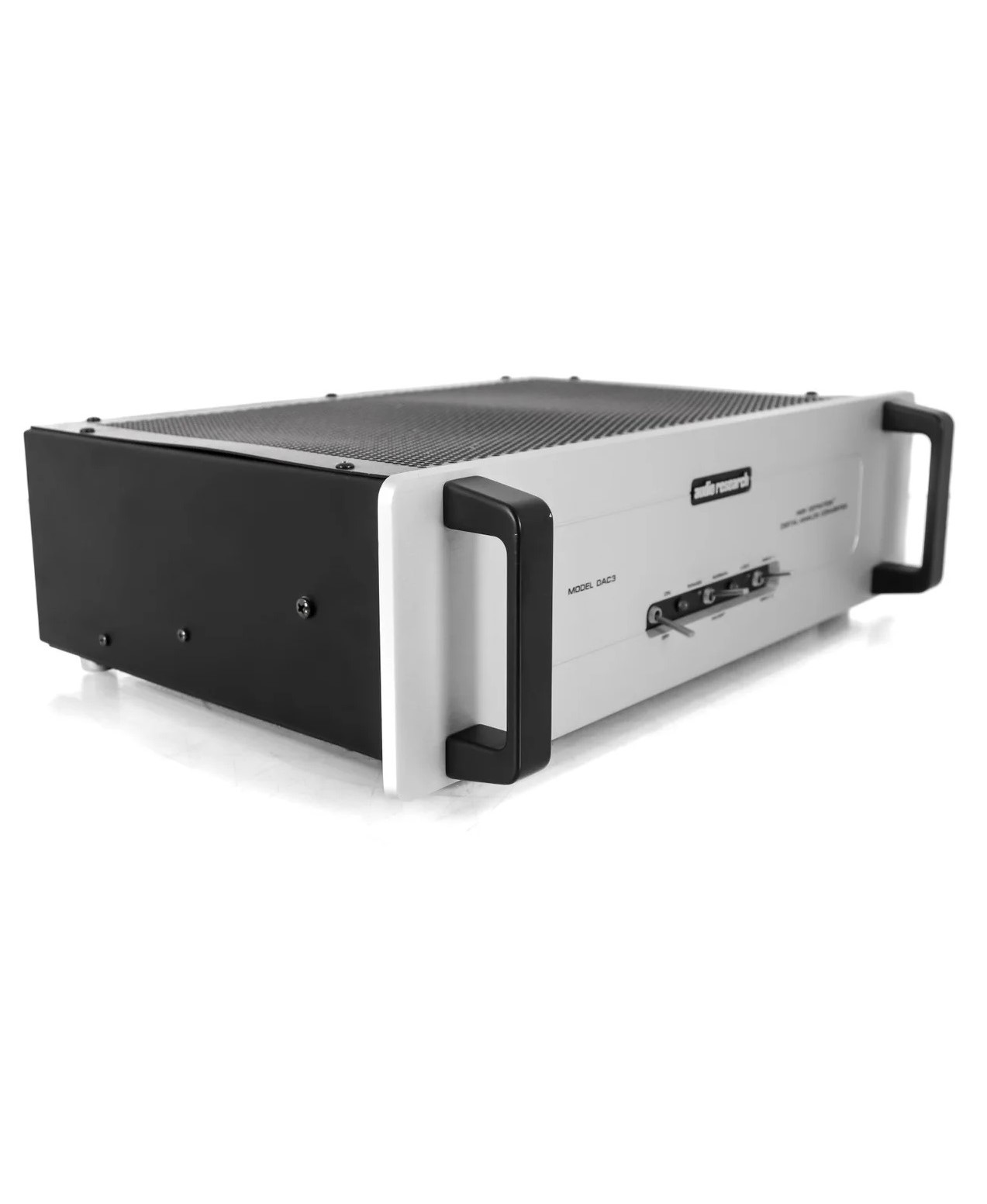
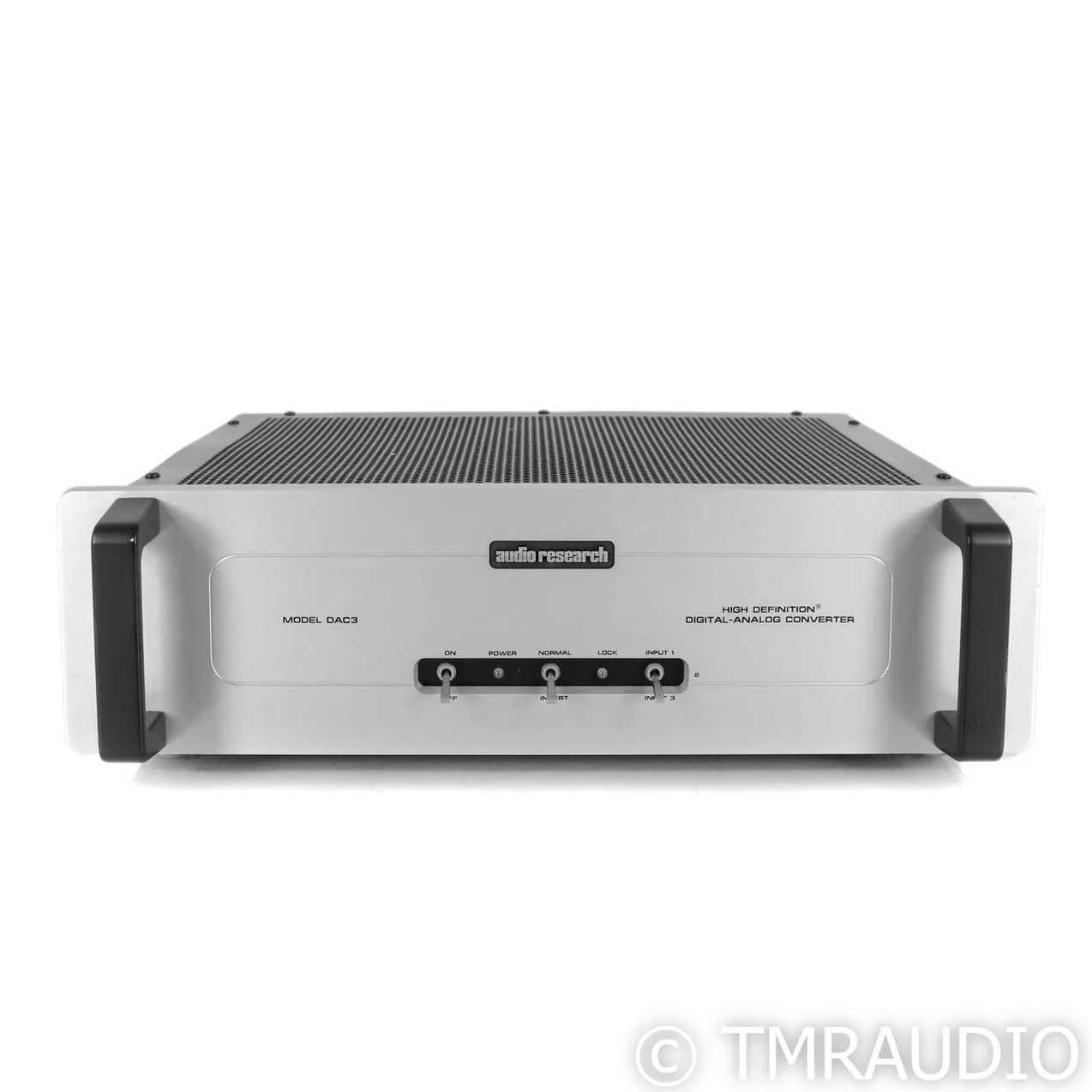
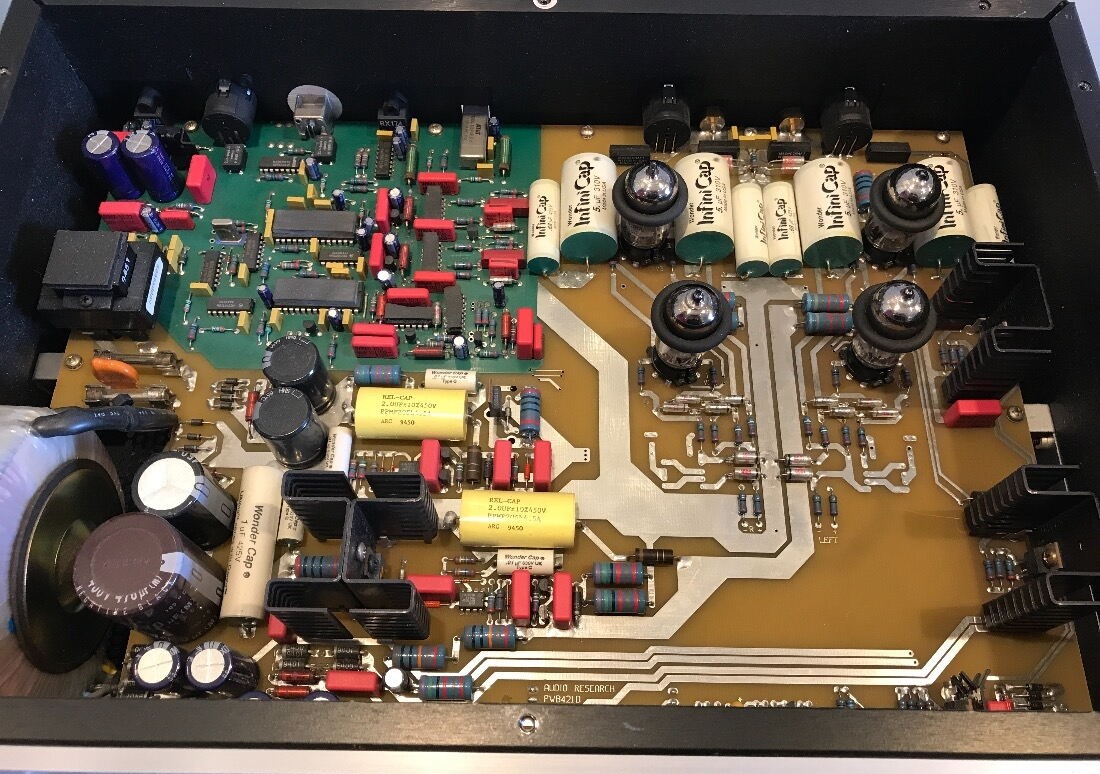
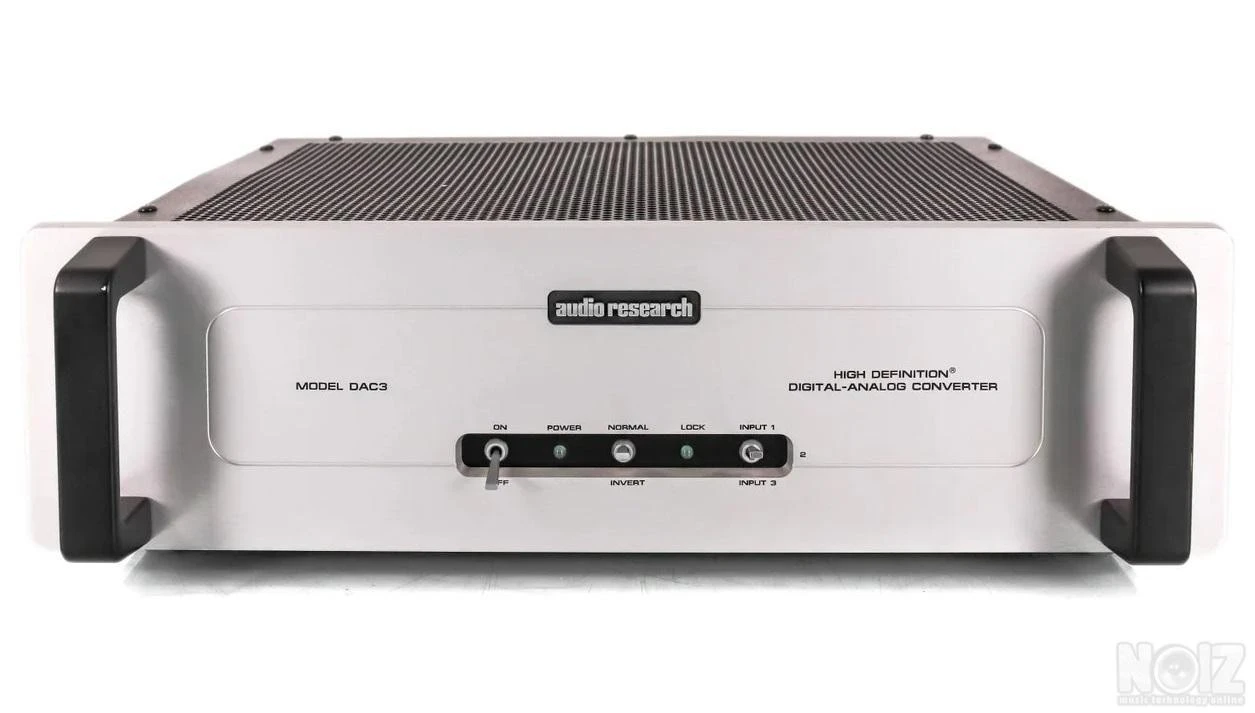
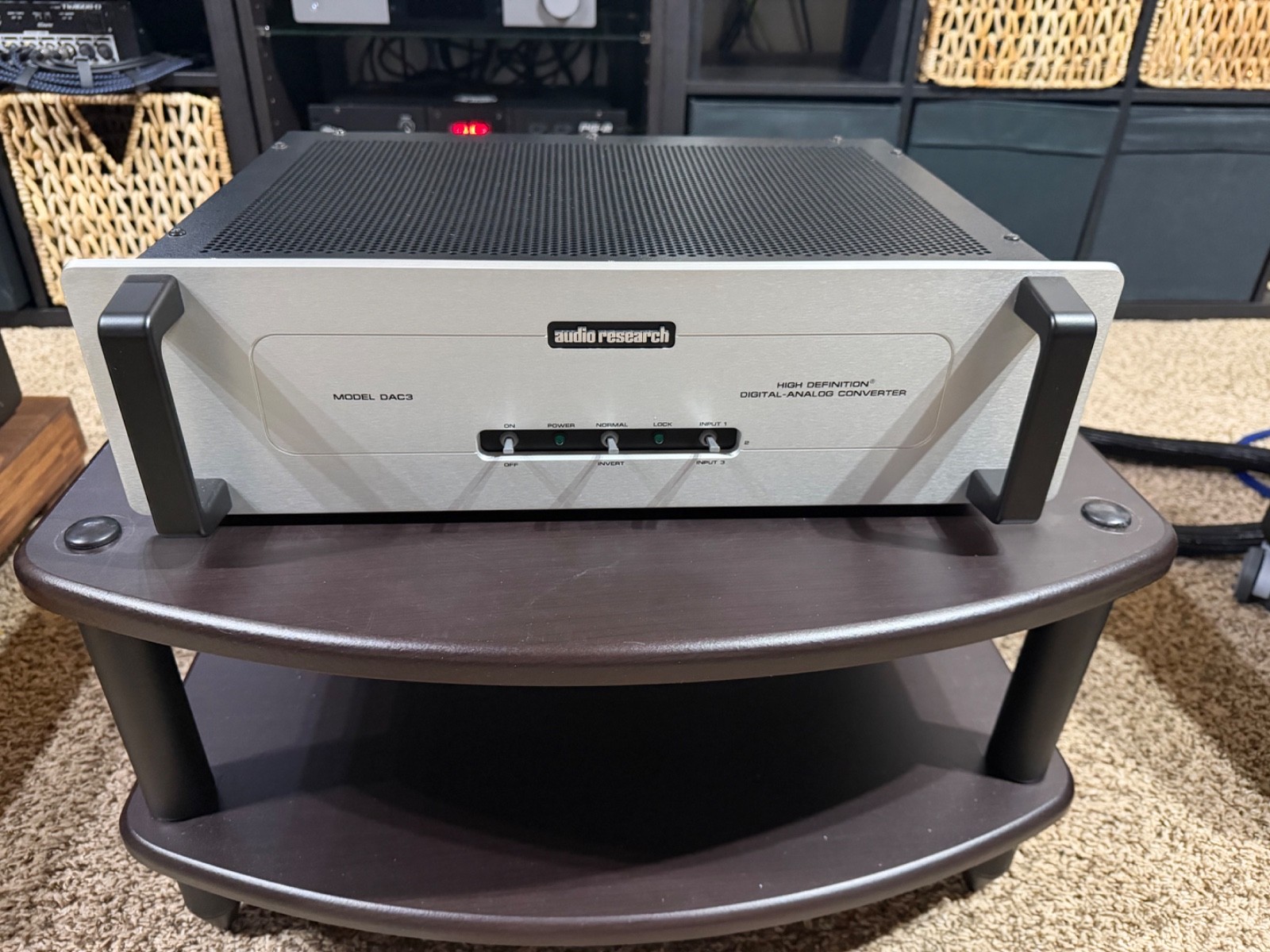
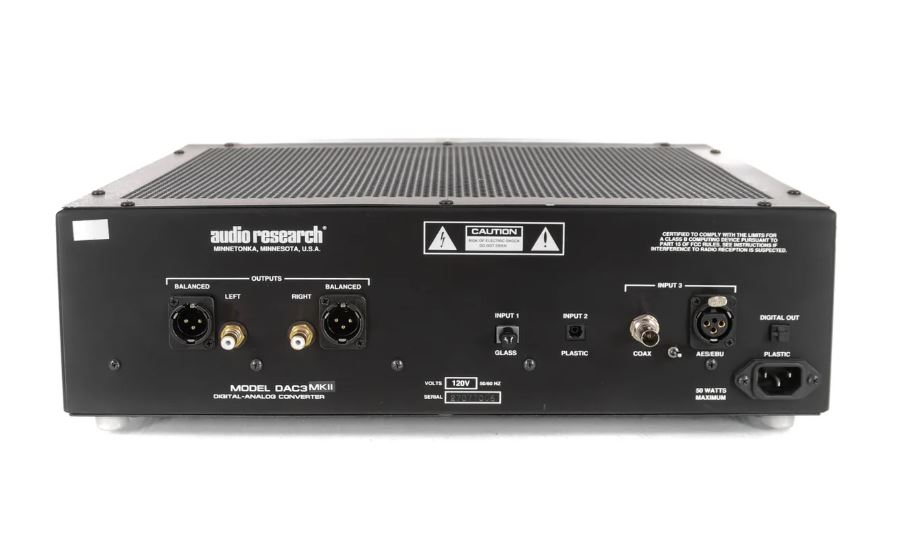
The DAC3MKII uses a high-performance monolithic input receiver and a delta-sigma converter supplied to Audio Research by Crystal Semiconductor. The differential converter is capable of 107 dB dynamic range in the audio band, and includes 8x interpolation and a 64x oversampled delta-sigma modulator which outputs to an all-tube (four 6922 twin triodes), class A operation analog output stage. Constant-current source technology and highly regulated power supplies similar to Audio Research’s best preamplifiers contribute to the natural musicality of the output stage. The suppression of sonically destructive jitter in the DAC3MKII is accomplished via three primary methods: by two voltage-control oscillators used to reclock data in the digital interface and in a phase-lock-loop circuit just prior to the analog stage; and by extensive internal damping of critical components and chassis areas to minimize mechanical resonances.A detachable AC line cord has built-in filtering.
Among other conveniences, the DAC3MKII offers selectable phase inversion via a front-panel toggle switch. The DAC3MKII offers a full array of digital inputs for compatibility with any high-quality CD/LD transport or player, and provides both-single ended and balanced analog output connectors for similar compatibility with high-quality line-level preamplifiers. Audiophile-grade digital and analog interconnects such as Audio Research brand DigitaLink and LitzLink2 are strongly recommended for best performance.
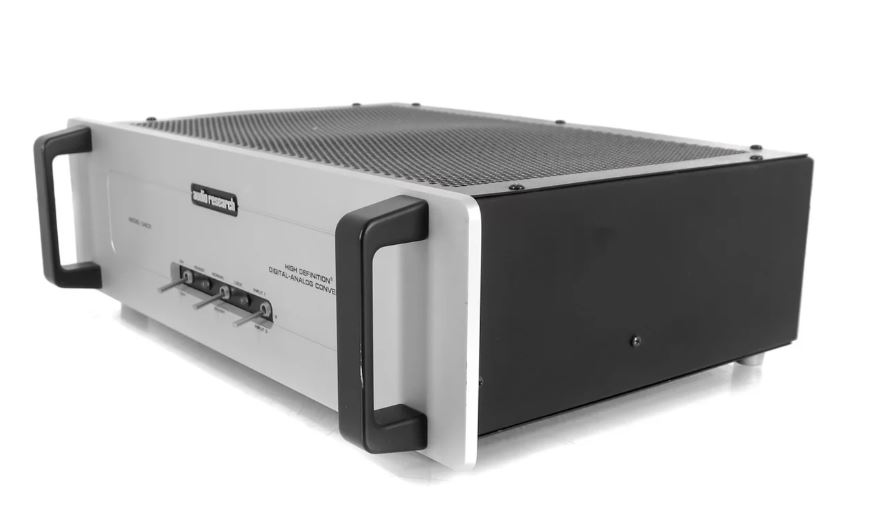
Audio Research DAC3mkII
I approached the Audio Research DAC3mkII with perhaps a little favoritism not unusual given the context of this product’s DNA. Previous experience with the brand’s vast range of high-end products have established great respect for anything bearing the Audio Research name for reasons not unknown to those many thousands of happy owners coming along as far back as the seventies. Few high-end manufactures have such a remarkable track record for producing leading edge components with such consistency.
The Audio Research signature sound is that of beautiful neutrality, ultimate musicality and seamless transparency. Few manufacturers get it right to combine such a vast array of high-end traits in one offering such as Audio Research. All too many times we see an item excelling in one or two selected areas only to be of average quality in others. The mark of a truly special product is one that combines all known high-end strengths in one well executed design.
The Audio Research DAC3mkII is such a product. Hard to fault from the word go, this unit expresses musical truth over a wide range of excellences. No part of it’s sonic presentation draws particular attention apart from a sound that draws it’s audience into the music to explore what is laid bare in an upbeat presentation filled with air and lit to just the appropriate level so as to present performers and instruments in a natural acoustic environment. No ‘spotlighting’, yet a uniform exposure of everything within the program it is fed to decode.
Instruments and performers are well defined with ample space and air around them while there is no artificial outline brightness to be found – much like a good analogue performance. In fact the entire presentation of the DAC3mkII is consistently reminding one of a musical whole as presented by better quality vinyl playback systems. This is a DAC for those who love analogue making familiar recordings sound more musical and enjoyable than most we’ve had the privilege of spending extended time with.
Typical digital congestion is all but completely disappeared and especially on complex music program does it excel at keeping the presentation from sounding like a loud mess.
Frequency extremes are well rendered with treble sounding sweet and extended. In the lower bass the ARC DAC3mkII made us appreciate the extraordinary capabilities of our REL Stadium Two subwoofer anew. The lower midrange/upper bass region may be ever so slightly ‘warmer’ sounding than that of the ARC CD2mkII for instance, but this may also be more noticeable as result of a direct comparison. The CD2mkII it has to be said renders this area with neutrality we have not heard from other CD-Players.
Another CD2mkII stronghold is that of exemplary pace, rhythm and timing and it has to be said that in this area we prefer this unit’s more upbeat presentation. On a whole however the DAC3mkII fed by the CD2mkII gives it a clean pair of heels in all other departments. To achieve this level of performance from the DAC3mkII however requires the use of Audio Research’s own BNC terminated S/PDIF interconnect. This item should be mandatory if a move to the DAC3mkII is considered as does a brand new set of valves.
This is a brilliant product we foresee to only be replaced in our reference system with one of Audio Research’s Reference model CD-Players.