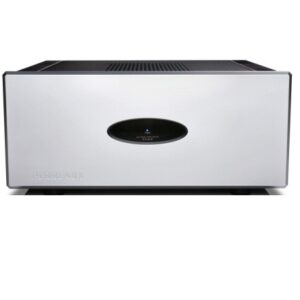
Wadia 27 Decoding Computer is a classic high-end digital-to-analog converter (DAC) from the mid-to-late 1990s that established itself as one of the top performers of its era. Originally priced around $8,450 (US, ~1996–97), it was later evolved into the 27i and 27ix versions with software and hardware upgrades (ClockLink, higher sample-rate capability, and refined filtering).
It was designed as a true “decoding computer” rather than a simple DAC, emphasizing proprietary digital signal processing, modular construction, and the ability to function as a high-quality digital preamp.
Design and Features
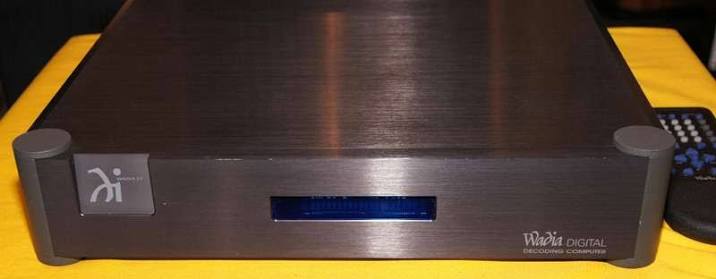
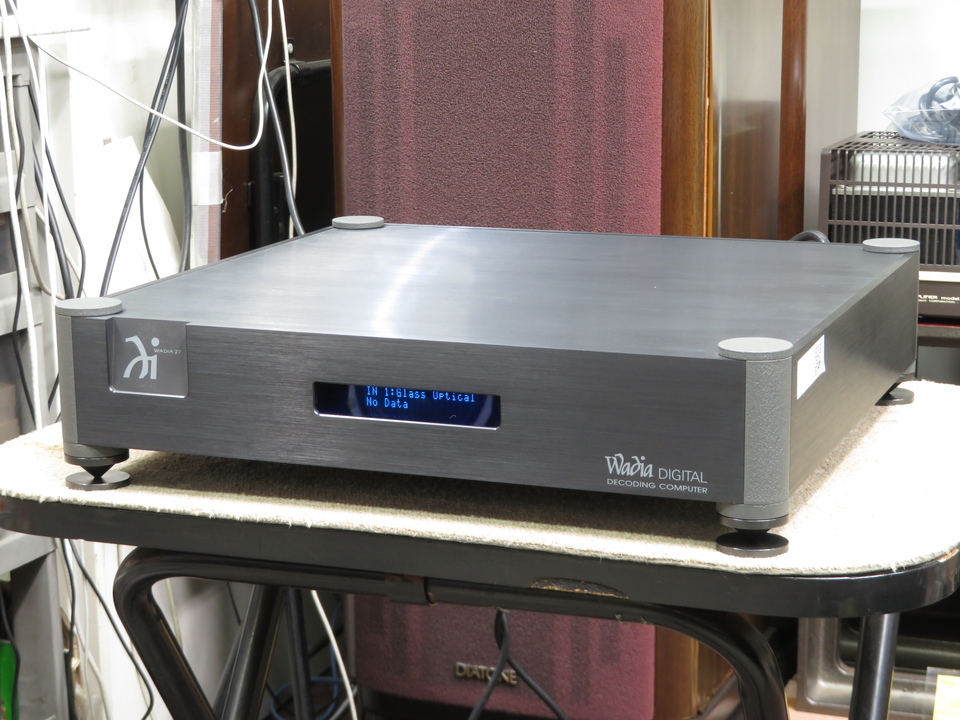
The 27 is housed in a solid, beautifully finished machined-aluminum chassis (roughly 4.5″ H × 17″ W × 16″ D, ~32 lb / 14.5 kg) with no front-panel controls—just a blue alphanumeric display. All operation is via remote control (volume, balance, input select, polarity, mute). The remote also controlled matching Wadia transports.
Key technical highlights include:
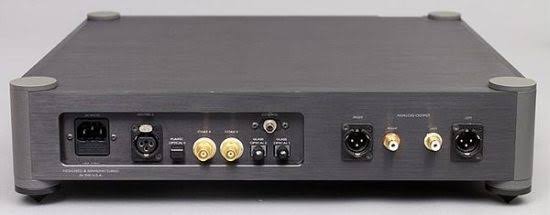
- Six digital inputs: 2 × ST glass-fiber optical, 2 × coaxial (BNC), 1 × AES/EBU (XLR), 1 × TosLink.
- Balanced (XLR) and single-ended (RCA) analog outputs that can be used simultaneously.
- Proprietary DigiMaster filtering algorithm running on Motorola 56000-series DSPs (24-bit processing, 22-bit resolution claimed).
- 64× oversampling (16× spline resampling in DSP + 4× Lagrangian in hardware).
- Eight Burr-Brown PCM1702 DACs in a fully differential (balanced) configuration—four per channel.
- Proprietary RockLok jitter-reduction circuitry.
- Digital volume control with 0.5 dB steps (100 steps total) plus internal analog output-level switches (to optimize resolution when driving amplifiers directly).
- Extensive power-supply design with dual toroidal transformers, isolation, and dozens of regulation stages.
- Modular architecture (socketed ROMs, removable boards, modular rear panel) intended for future upgrades, including higher sample rates.
Later ix versions added ClockLink (for master-clock synchronization with a matching Wadia transport), selectable filter algorithms, and 96 kHz capability.
Sound Quality
Contemporary reviews (Stereophile by Robert Harley, Audio magazine by Anthony H. Cordesman, and others) consistently placed the 27 among the very best digital processors of its day—alongside the Mark Levinson No.30.5 and Spectral SDR-2000 Pro.
Strengths widely noted:
- Exceptional transparency, resolution, and natural timbre reproduction on acoustic instruments, voices, and classical/jazz material.
- Outstanding dynamics, speed, and transient response without hardness or artificial edge.
- Deep, tight, authoritative bass with excellent definition and impact.
- Wide, deep, well-defined soundstage with precise imaging and strong retrieval of ambient information.
- High resolving power that revealed differences between transports, cables, and mastering without adding its own colorations.
- Very involving and communicative—especially when driving power amplifiers directly (bypassing a preamp), which many reviewers considered a major strength.
The DigiMaster filter’s time-domain optimization produces a gentle top-octave roll-off (~2–3 dB at 20 kHz), which some listeners found slightly less airy or extended than certain competitors, but most did not find it a significant drawback. It avoided the “digital hardness” common in many 1990s converters.
Comparisons typically found it competitive with or preferable to the Levinson No.30.5 in dynamics, bass energy, and overall musical engagement, while the Levinson sometimes edged it in ultimate low-level resolution or midrange refinement on certain material. Against the Theta DS Pro Generation V it was generally more neutral and less forward.
Measured Performance
Lab tests showed textbook results for the era: very low noise floor, excellent linearity (near-perfect to –110 dB), outstanding channel separation (>100–120 dB), low jitter (especially with good interfaces), clean impulse and square-wave behavior, and freedom from power-supply noise. The time-domain-optimized filter’s high-frequency roll-off is the main measured signature.
Strengths
- Reference-level sound for Red Book CD playback in its time.
- Direct-drive capability (digital volume + adjustable analog output level) that many preferred to using a preamp.
- Robust build, modular/upgradeable design, and extensive connectivity.
- Highly resolving yet musically natural and engaging presentation.
Limitations / Caveats (from a modern perspective)
- No native high-resolution support beyond the later ix upgrades (max 96 kHz); no USB, network, or DSD.
- Digital volume control discards bits with attenuation (best used near the top of its range with properly set analog output level).
- Remote control was criticized in early units (narrow acceptance angle; later aluminum remotes improved this).
- Expensive when new; used prices today vary widely depending on version (27, 27i, 27ix) and condition.
- Best results historically came with a high-quality transport (ideally ClockLinked Wadia) and careful setup.
Verdict
The Wadia 27 Decoding Computer was a landmark product of 1990s high-end digital audio. It combined advanced DSP filtering, multi-DAC architecture, excellent engineering, and a refined, highly resolving yet natural sound that still impresses many listeners today—particularly those who value classic multibit DACs and the ability to drive amplifiers directly.
If you encounter a well-maintained original 27, 27i, or especially a 27ix in good condition, it remains a compelling choice for Red Book CD playback in a high-end system, provided your source and system can take advantage of its strengths. It is not a modern “do-everything” DAC, but as a dedicated high-performance converter of its generation it earned (and largely still holds) a strong reputation.