Celestion Ditton 66 Review
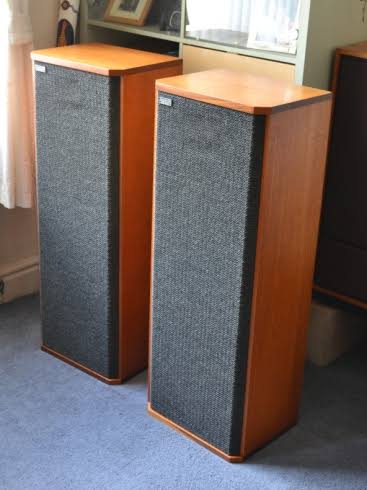
The Celestion Ditton 66 (often simply called the Celestion 66) is a classic British three-way floorstanding loudspeaker from the mid-1970s and one of the flagship models in Celestion’s highly regarded Ditton series. Launched around 1973–1976, it was designed as a high-performance domestic monitor with professional ambitions, featuring wide bandwidth, solid dynamics, and a relatively efficient design for its time.
Design and Specifications
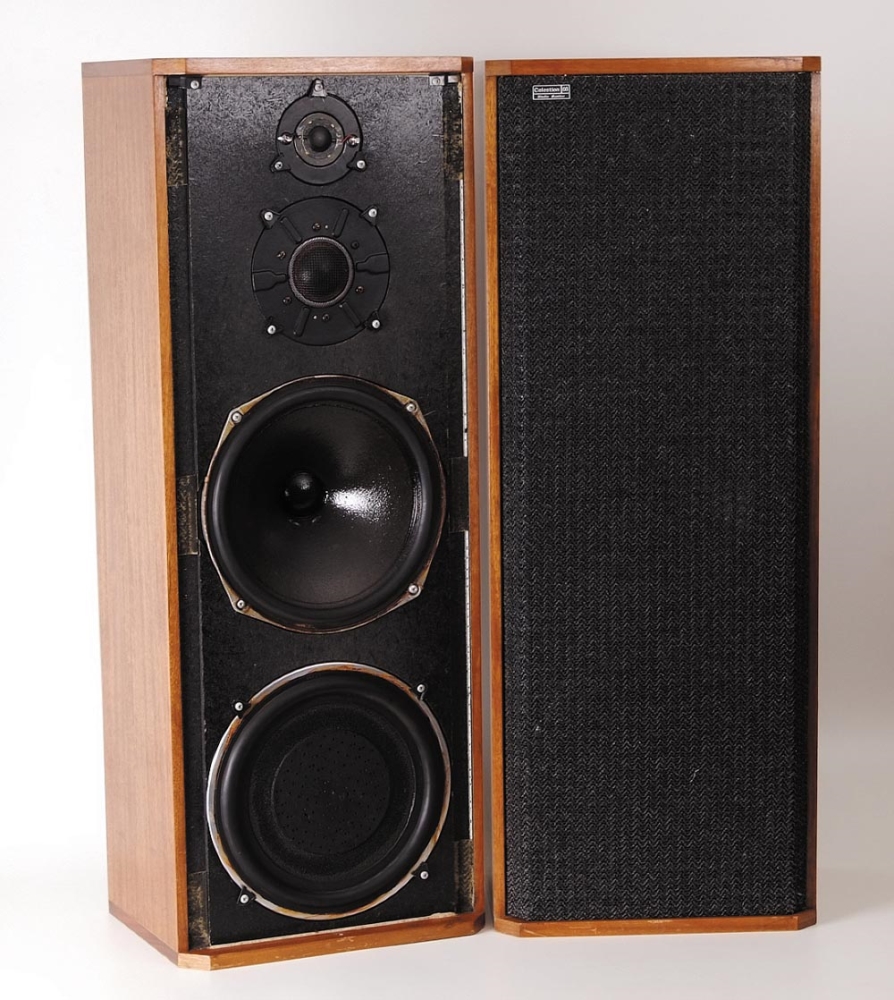
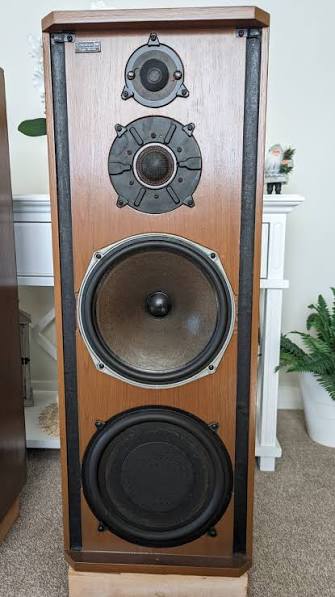
The Ditton 66 is a substantial speaker with a tall, relatively slender cabinet (approximately 1000 × 380 × 290 mm / 40 × 15 × 11.5 inches) and a weight of around 26–30 kg each. It uses a sealed/closed enclosure with an Auxiliary Bass Radiator (ABR) system rather than a conventional port.
Key drivers and features:
- Bass: 12-inch (300 mm) paper-cone woofer (FC12 / UL12) paired with a matching 12-inch ABR for extended low-frequency output.
- Midrange: 50–51 mm soft-dome pressure unit (MD500).
- Tweeter: 25 mm (1-inch) dome (HF2000), a unit also used in some BBC monitor applications.
- Crossover: Approximately 500 Hz and 5 kHz.
- Frequency response: Quoted as 18 Hz – 40 kHz (manufacturer figures; real-world in-room performance is more realistically strong from the mid-30s Hz upward).
- Sensitivity: Around 90 dB.
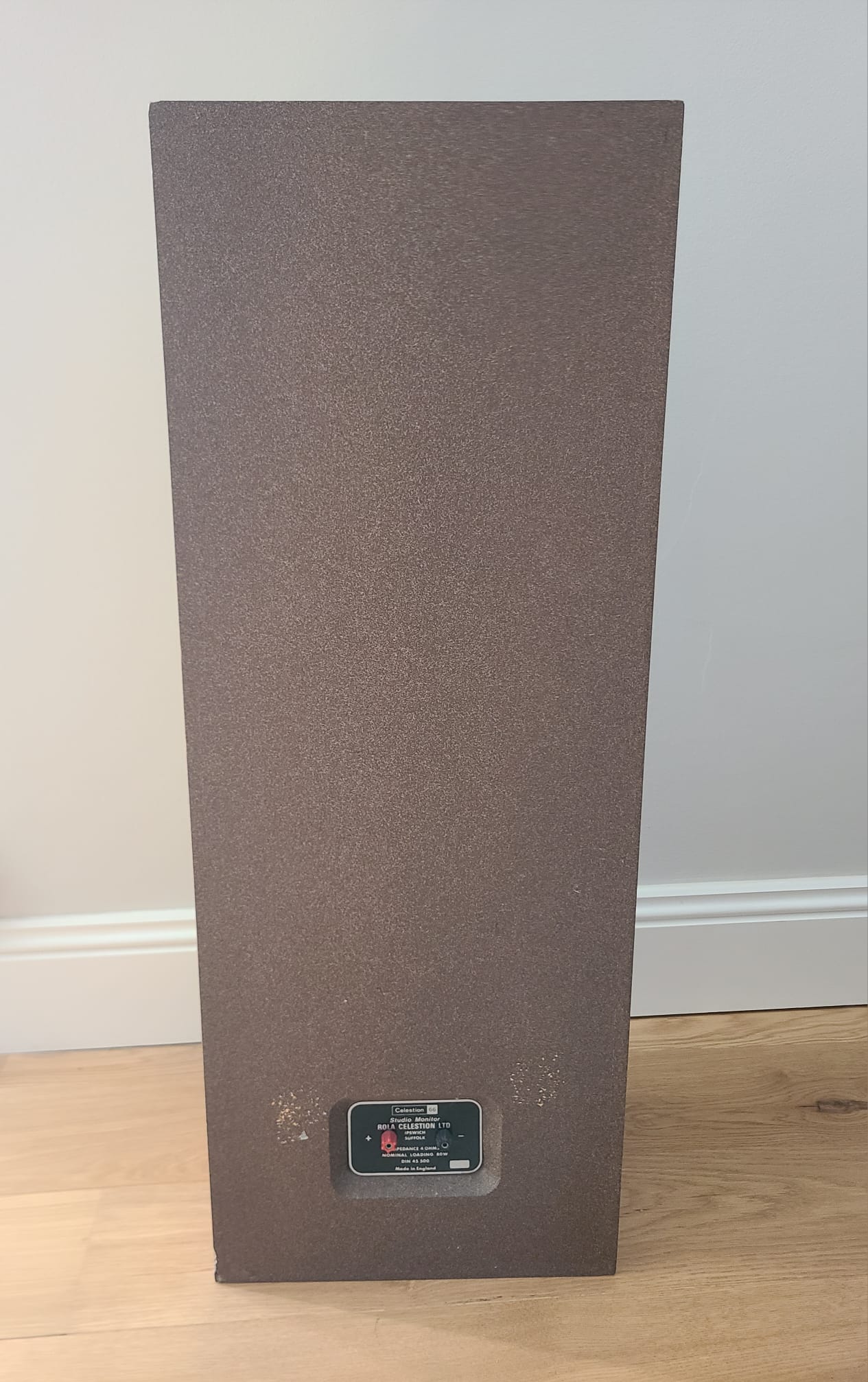
- Impedance: Nominal 8 Ω (minimum around 4 Ω).
- Recommended amplifier power: Typically 10–80/160 W depending on the source.
Finishes were usually teak or walnut veneer. The vertical alignment of the drivers and the tall cabinet help place the mid/high drivers near ear height while keeping the footprint modest for the internal volume.
Sound Quality
The Ditton 66 is widely praised by vintage hi-fi enthusiasts as a highly engaging, full-bodied, and natural-sounding speaker.
- Bass: Surprisingly deep and controlled for a 1970s design, with good weight, punch, and extension thanks to the large woofer + ABR combination. It is not the tightest or most modern-sounding bass by today’s standards, but it has authority and avoids excessive boom when the speakers are properly positioned.
- Midrange: One of the strongest points. The soft-dome midrange delivers natural, realistic vocals, pianos, and acoustic instruments with good body and presence. Many listeners describe it as smooth, detailed, and free of harshness.
- Treble: Smooth and non-fatiguing via the HF2000 dome. It offers decent extension and air without the brightness or harshness sometimes found in period competitors.
- Overall character: Balanced and musical rather than ultra-analytical. The presentation is often described as clear, dynamic, and involving, with a reasonably wide and deep soundstage (though imaging precision is not at the level of modern high-end monitors). It works well across genres, particularly vocals, jazz, classical, and rock.
Reviewers and long-term owners frequently call them excellent all-rounders that remain easy to listen to for long sessions. They can sound a little warm or “BBC-monitor-like” (with some upper-midrange character typical of the era) depending on the recording and associated electronics.
Strengths
- Natural, engaging midrange and overall musicality
- Solid bass extension and dynamics for the size/era
- High sensitivity and relatively easy amplifier load
- Attractive classic British styling and solid build
- Strong value on the used market when in good condition
Limitations
- As with most 50-year-old speakers, condition is critical (crossover capacitors, surrounds, driver integrity, and cabinet integrity matter a great deal)
- Bass can be less controlled or room-dependent compared with modern designs
- Soundstage separation and ultimate resolution lag behind contemporary high-end speakers
- Large and heavy; not ideal for small rooms or minimalist setups
- Grilles can slightly soften the high frequencies when left on
Who They’re For
The Celestion Ditton 66 suits listeners who enjoy classic British hi-fi character—musical, full-bodied, and engaging rather than hyper-detailed or clinical. They pair well with a wide range of amplifiers (solid-state or valve) that have decent current delivery and work especially nicely with good sources for vocals and acoustic music. Restored or well-maintained pairs remain popular among vintage enthusiasts for their combination of scale, ease, and enjoyment.
Verdict: A highly regarded 1970s classic that still delivers real musical satisfaction when in good condition. Not the last word in modern resolution or tightness, but an excellent, characterful, and involving speaker that many owners keep for years. Recommended for those who value musicality and vintage charm over absolute neutrality or cutting-edge performance.