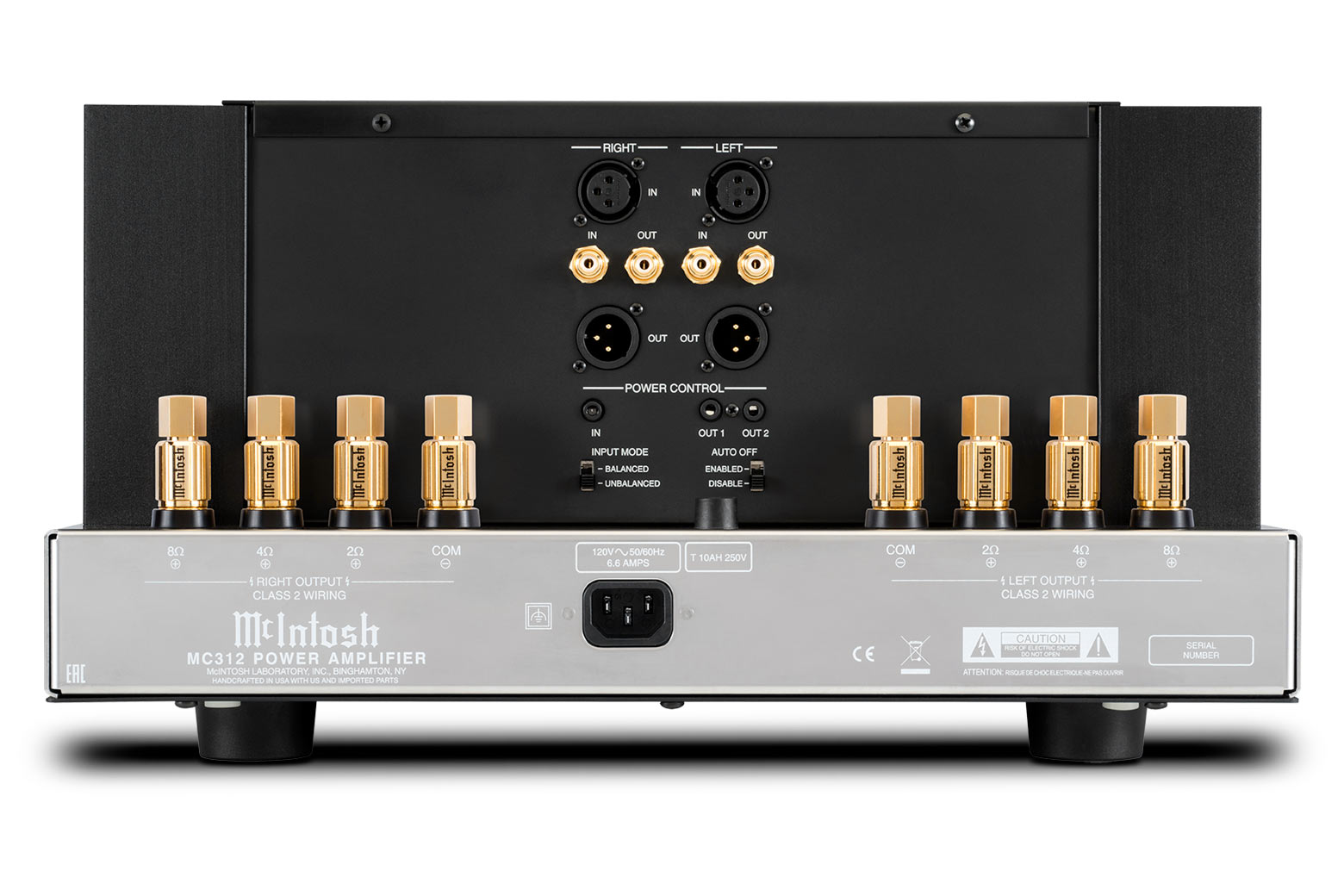
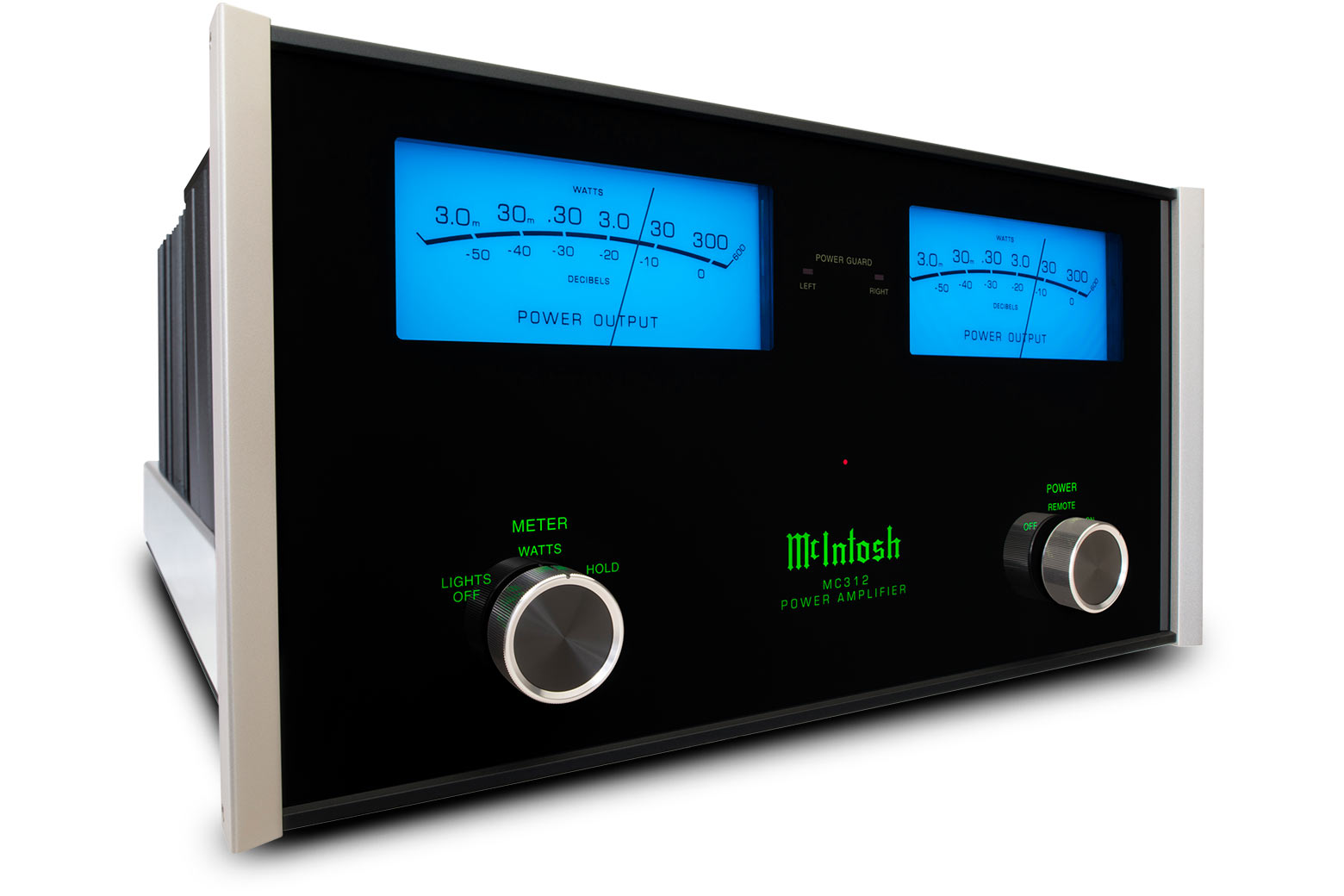
McIntosh MC312 Stereo Amplifier (Almost NEW)
Original price was: R189,000.00.R120,000.00Current price is: R120,000.00.
Electronic Specifications
-
- FTC Power Output Rating
- 300 W
-
- Power Output per Channel
- 300 W into 2, 4 or 8 ohms
-
- Number of Channels
- 2
-
- Total Harmonic Distortion
- 0.005%
-
- S/N below rated output
- Balanced: 120dB
Unbalanced: 118dB
-
- Dynamic Headroom
- 2.3dB
-
- Damping Factor
- >40 Wideband
-
- Rated Power Band
- 20Hz to 20kHz
-
- Frequency Response
- +0, -0.25dB from 20Hz to 20kHz
+0, -3.0dB from 10Hz to 100kHz
Control
-
- Remote Power Control
- Yes
-
- Multi-Channel DB25 Cable
- N/A
Connectivity
-
- Speaker Binding Post Type
- Patented Solid Cinch™ Speaker Binding Posts
General Specifications
-
- Circuit Configuration
- Push-Pull Complementary
-
- Circuit Design
- Solid State
-
- Mono Bridge
- No
-
- Mono Parallel
- No
-
- Output Type
- Autoformer™
-
- Meters
- Yes
-
- Meter Light Switch
- Yes
-
- Balanced Input
- 2
-
- Front Panel
- Glass
-
- Illumination
- Direct LED
-
- Chassis Style
- Polished stainless steel & black painted steel
Weights & Dimensions
-
- Unit Dimensions (W x H x D)
- 17-1/2″ (44.45cm) x 9-7/16″ (23.97cm) (including feet) x 22″ (55.88cm) (including front panel, handles and cables)
-
- Unit Weight
- 105 lbs (47.63 kg)
-
- Shipping Weight
- 138 lbs (62.59 kg)
Description
-

Best Stereo Power Amplifier of 2019

Prepare yourself for years and years of musical enjoyment with the MC312 Power Amplifier. A 300 Watt per channel stereo amplifier, the MC312 is a great choice to power virtually any home audio system. The full 300 Watts can be delivered to almost any speakers regardless if they have 2, 4 or 8 Ohm impedance thanks to our unique Autoformer™ technology.
Named Best Stereo Power Amplifier of 2019 by Secrets of Home Theater and High Fidelity. “This just may be all the amplifier you will ever need!”
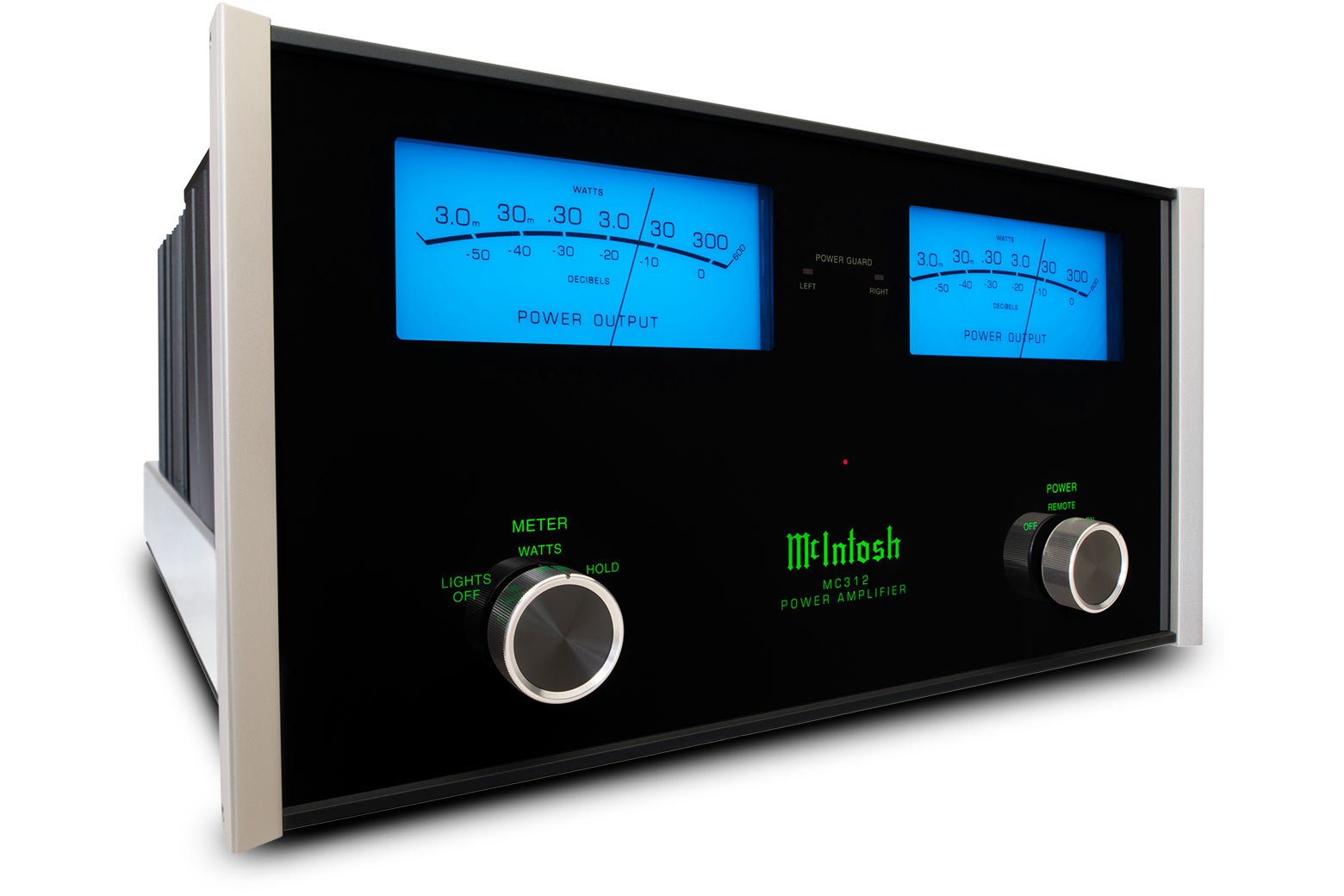
The MC312 has received numerous improvements compared to our previous 300 Watt stereo amplifier. Most notably is that filter capacity has been doubled, which increases dynamic headroom an impressive 27% from 1.8dB to 2.3dB. This increase means the MC312 will be even better suited to handle wide dynamic swings in your music. Distortion prevention and bass performance also benefit from the increased filter capacity.
“A component that makes you want to listen to as much music as possible, such as the MC312, is what it is all about… It is perhaps the finest, most sophisticated amplifier I have heard in its price range in my system.” – NOVO Magazine
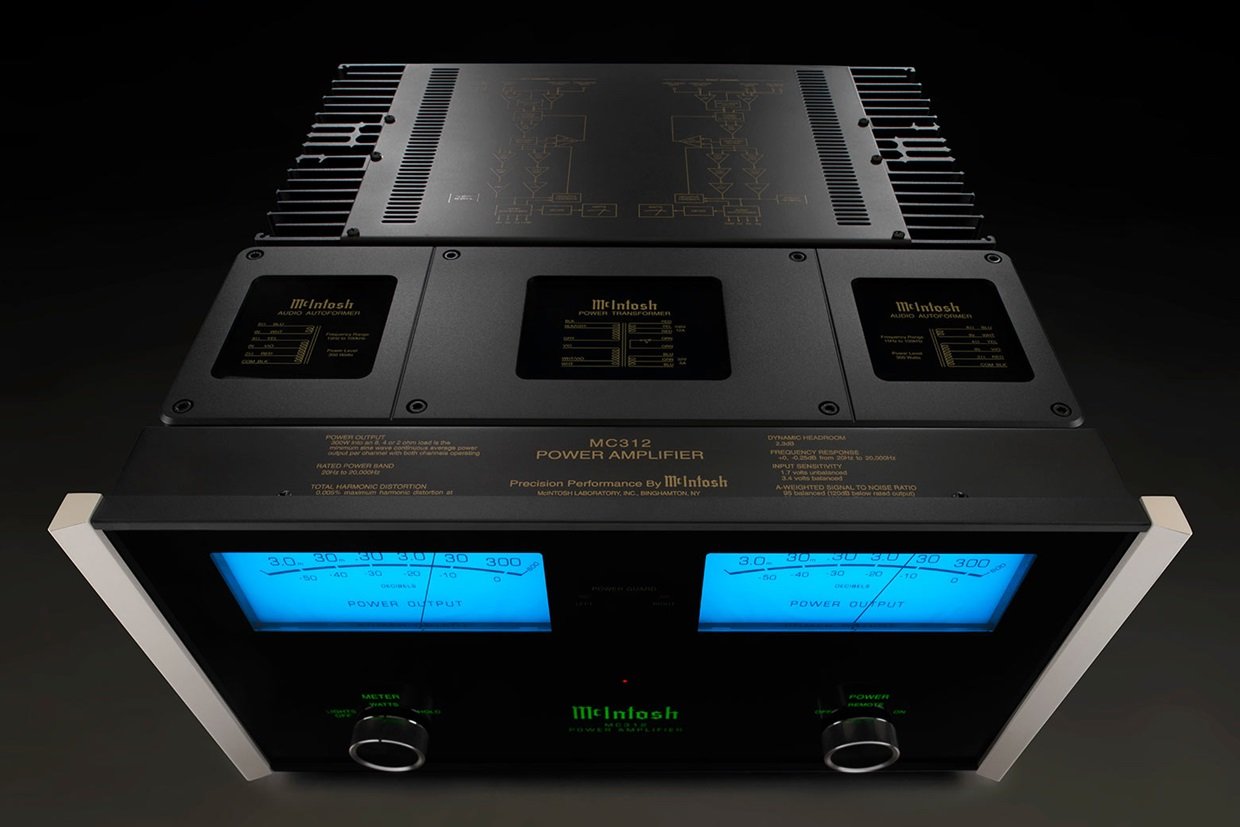
“When the hairs on your arms rise during a listening session, and you get a huge grin on your face, you know that (a) you’re having a tremendous amount of fun, and (b) you’re listening to true reference-quality equipment.” – Secrets of Home Theater and High Fidelity
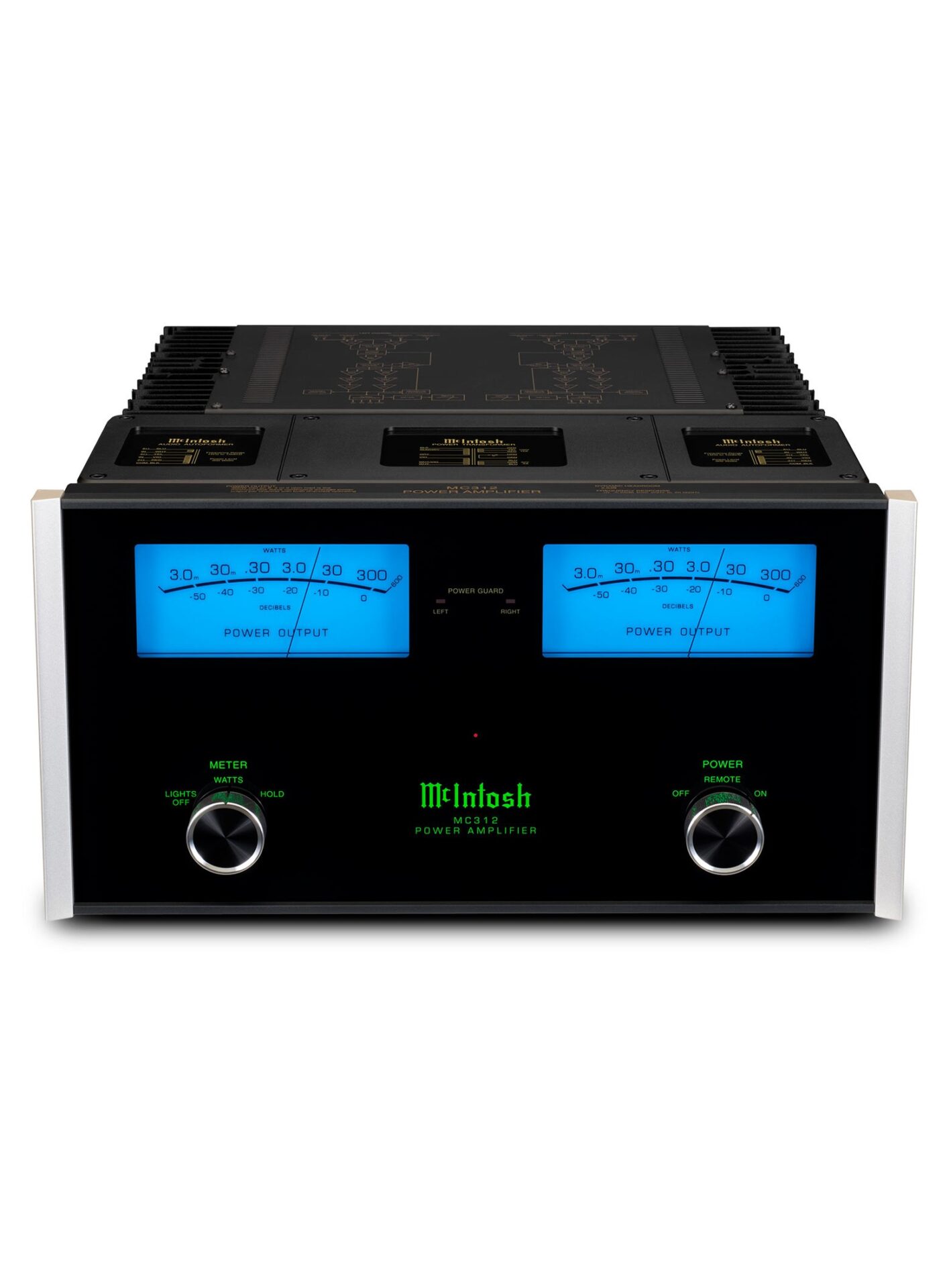
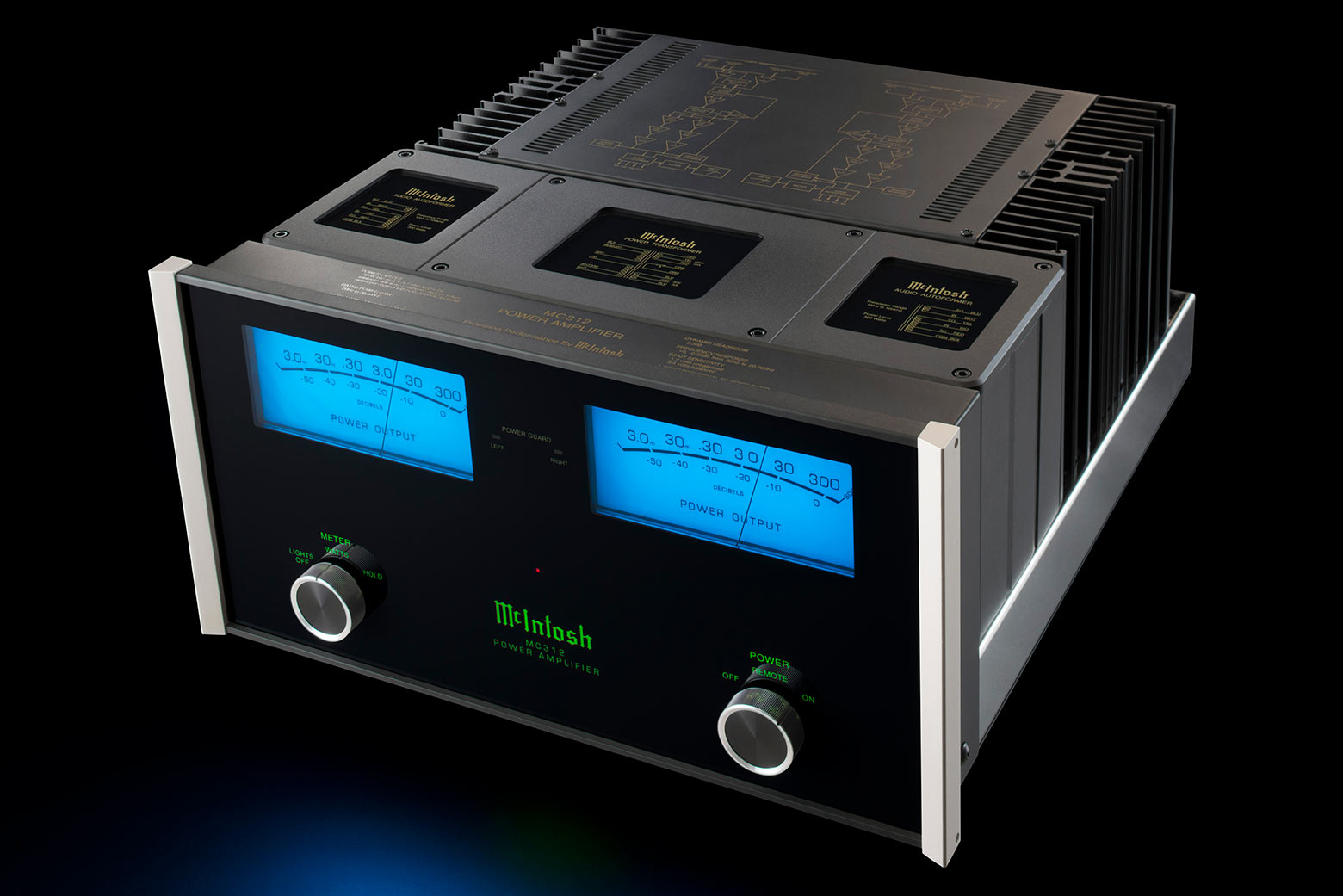
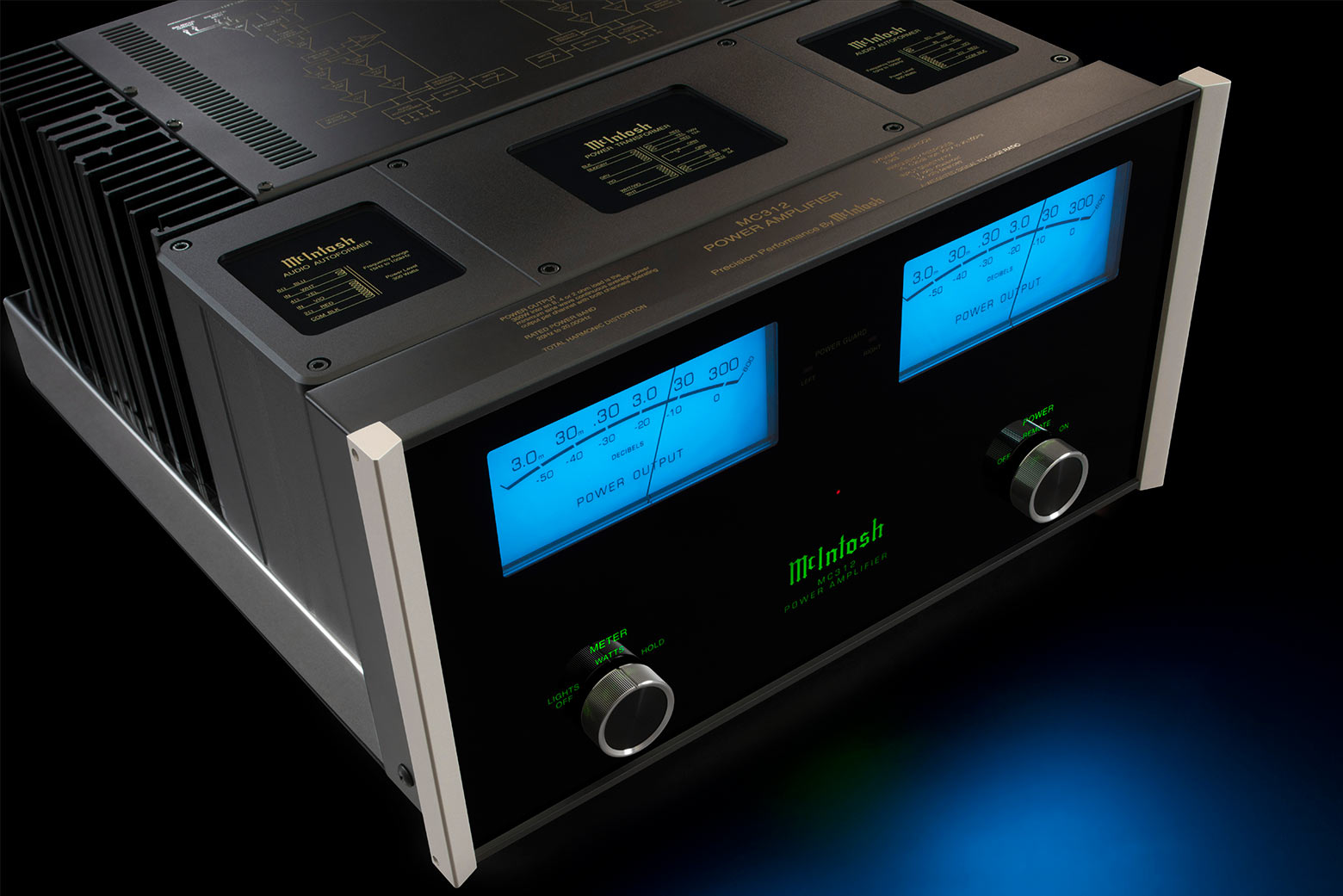
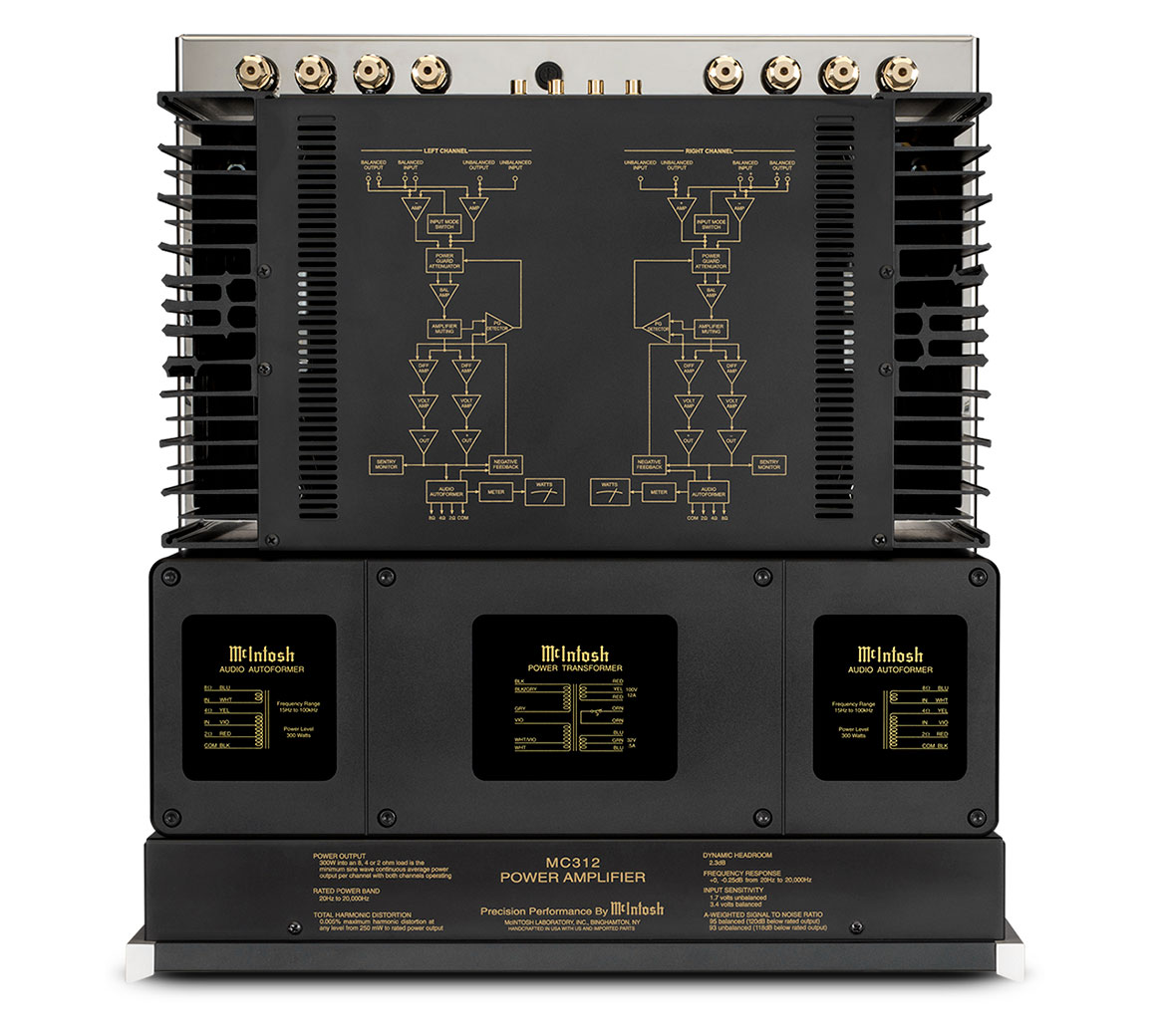
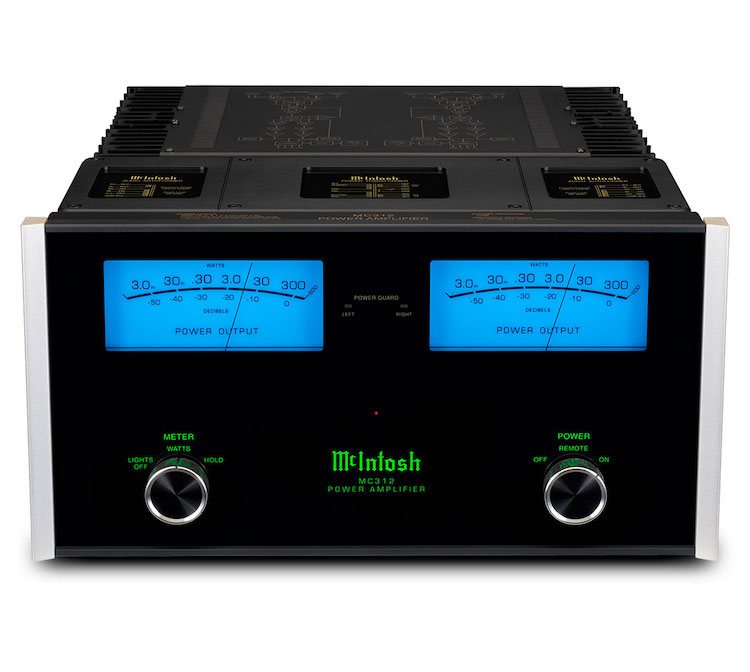
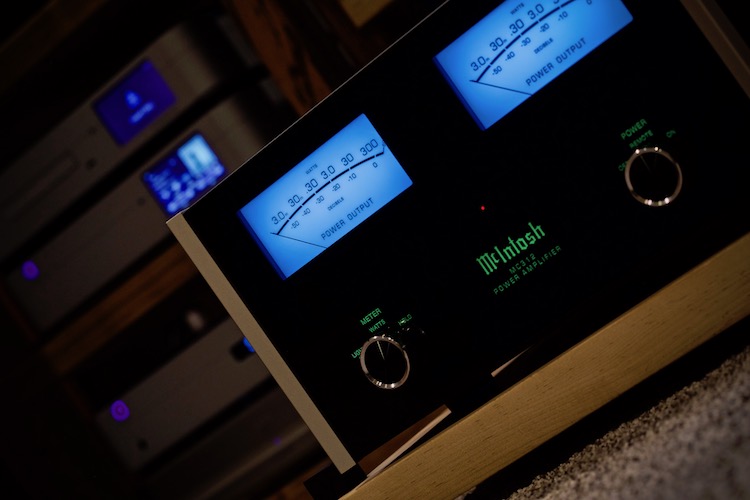
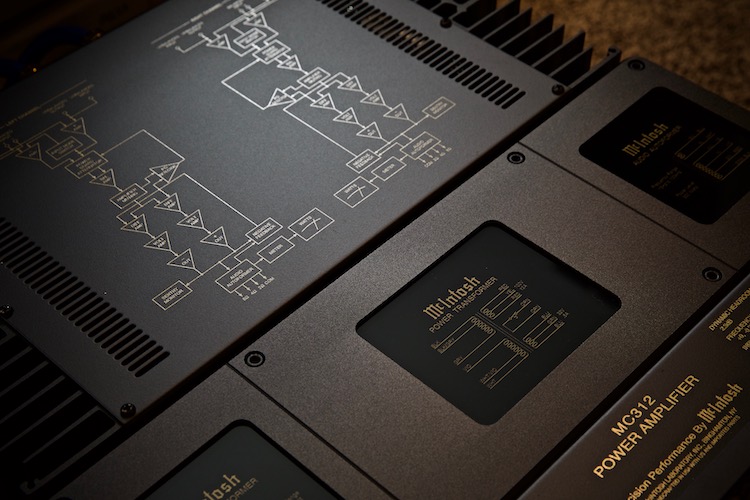
While still looking very much like a McIntosh, the MC312 has received some key design updates. Direct LED backlighting now illuminates the front panel for improved color accuracy. The audio output Autoformers still straddle the power transformer, but are now located in new enclosures that are capped by a single cover containing glass inserts that show the wiring diagram for each transformer.
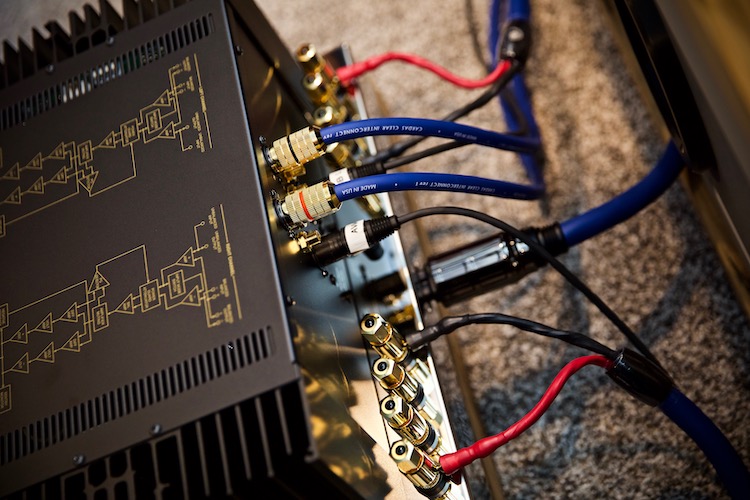
Other updates include the addition of our Monogrammed Heatsinks™ and our eco-friendly power management system. Numerous circuit components and internal wiring have also been upgraded. Balanced and unbalanced outputs have been added to enable bi-amping or tri-amping your speakers; they can also be used to connect to a secondary system if your preamplifier doesn’t have enough connections, or to connect a powered subwoofer.
The MC312 is packed full of other exclusive McIntosh technologies:
- Power Guard® that monitors and adjusts the input signal at the speed of light and makes real time adjustments to prevent harsh sounding and potentially speaker damaging clipping
- Sentry Monitor™ – our fuse-less short-circuit protection circuit that disengages the output stage before current exceeds safe operating levels and then resets automatically when operating conditions return to normal
- Power Control to send power on/off signals to other connected McIntosh components (such as CD Players, turntables, tuners and media streamers) for easy system power up and shutdown
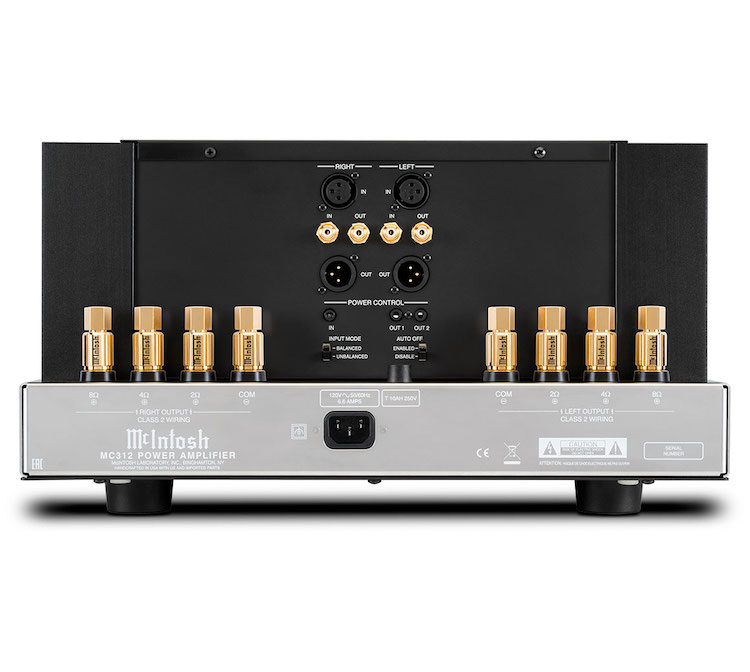
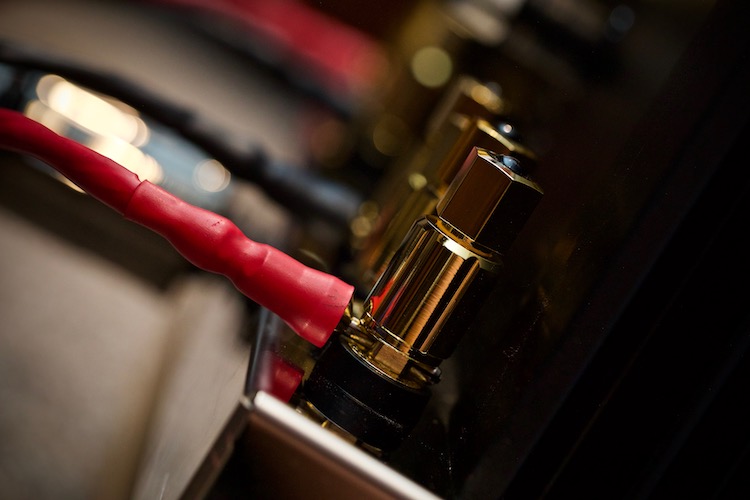
- Our patented Solid Cinch™ speaker binding posts that easily but securely attach the speaker cables to prevent them from coming loose and possibly causing a short; the binding posts are also gold-plated to prevent corrosion and ensure a quality signal is sent over your speaker cables
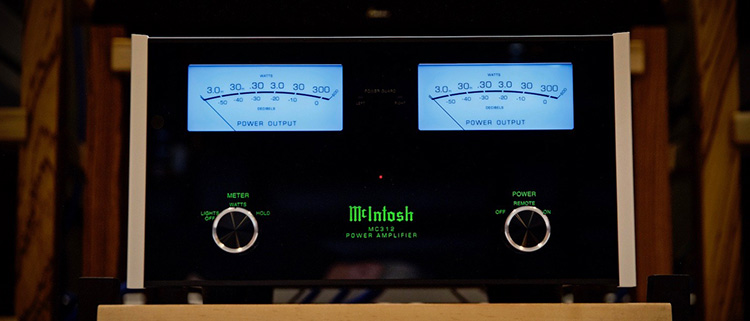
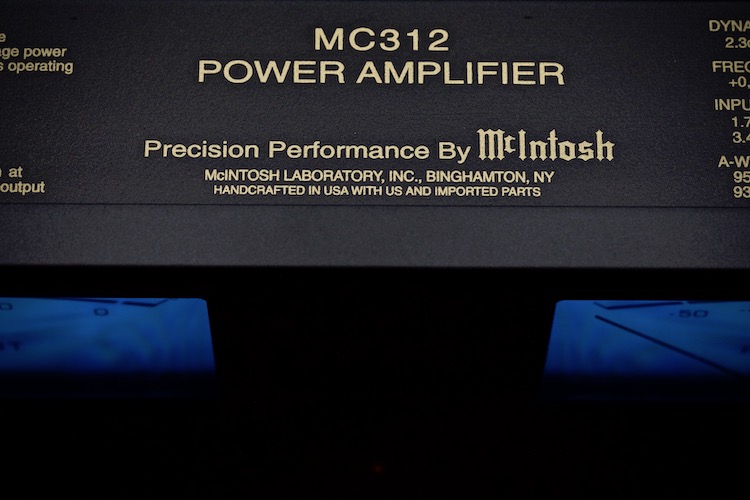
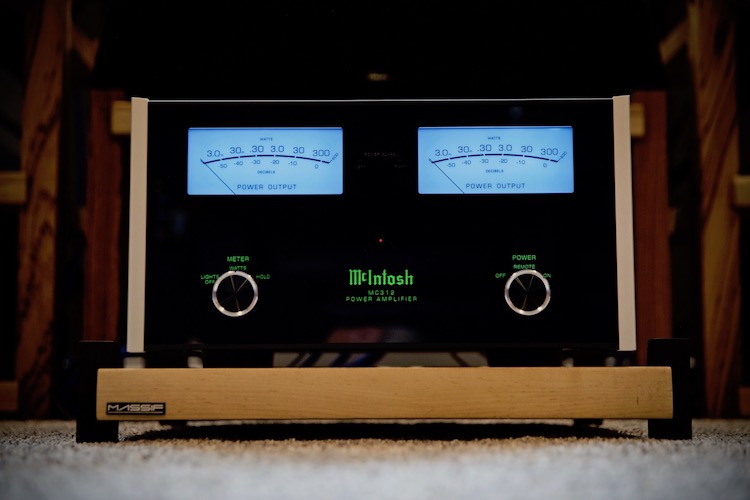
The MC312 sits on a beautiful polished stainless steel chassis and features the timeless McIntosh black glass front panel, illuminated logo, control knobs, aluminum end caps and a pair of fast responding blue Watt meters. Contact your local dealer to learn more.
Perhaps the most iconic looking audio gear for as long as I can ever remember, McIntosh simply exudes class, quality, and that “it” factor that’s very hard to achieve. They are undoubtedly a prestige and luxury brand, and one that this writer has wanted to own since I first started getting into high-end audio. Made in Binghamton, New York, McIntosh has been designing and manufacturing some of the absolute best audio gear for 70 years now. Think about that number for a moment…that’s a long time for any company, let alone one in a premium, niche market.
The new MC312 2-channel solid-state amplifier has enough power, finesse, and flexibility to serve as the heart of any hi-fi system. But will it be the perfect match for everybody?
McIntosh MC312 2-Channel Solid State Amplifier
- Iconic McIntosh looks
- 300 watts into either 2, 4, or 8 Ohms
- Industrial design that will fit into any décor
- Perhaps the best speaker binding posts ever!
- Sound quality (and quantity) on par with amplifiers twice the price.
- Balanced and unbalanced outputs…perfect for adding subwoofers!
Before I get into some of the details of the MC312 amplifier, let me take you back in time to my first encounter with the McIntosh brand. I was always into music and audio gear but had to watch from the sidelines so to speak because in the early days I was on the proverbial beer budget with Champagne tastes. I knew what I liked, and I knew what was “good”, but making purchases of any of that elite-level gear was simply out of the equation. I spent a lot of time going into audio stores for the chance to listen to gear that I had only read about in magazines. I was even fortunate to make a couple of business trips to Japan and spend some quality time in the famous high-end stores in the Akihabara district of Tokyo to sample their amazing systems.
While I really enjoyed listening to all of this gear, nothing completely grabbed my attention and made a lasting impression like McIntosh. I still remember walking into a room at a dealer in Florida, and seeing the glowing and dancing meters of monstrous monoblock McIntosh amplifiers. I was mesmerized by the looks and the sound and knew that I was in the presence of greatness. That one moment in time stands out so clearly to me for some reason, and I can picture it with so much detail that it could have been yesterday. That’s what a successful iconic brand can do, and nobody in this business, in my opinion, does it better than McIntosh.
Power Output per Channel:
300 Watts @2, 4 or 8 Ohms
S/N below rated output:
Balanced: 120dB. Unbalanced: 118dB
Rated Power Band:
20Hz to 20kHz
Number of Channels:
2
Dynamic Headroom:
2.3dB
Frequency Response:
+0, -0.25dB from 20Hz to 20,000Hz. +0, -3.0dB from 10Hz to 100,000Hz
Total Harmonic Distortion:
0.005%
Damping Factor:
>40 Wideband
Circuit Configuration:
Push-Pull Complementary
Illumination:
Direct LED
Circuit Design:
Solid State
Output Type:
Autoformer™
Dimensions (W x H x D):
17 1/2 “ x 9 7/16” x 22”
Weight:
105lbs.
Shipping Weight:
138lbs.
Price:
$7,000.
Warranty:
3-year limited warranty
Company:
SECRETS Tags:
McIntosh, MC312, Amplifier, Amplifier Reviews 2019
As for the McIntosh MC312 2-channel solid-state amplifier, it’s the successor to their MC302 300-watt model. One of the key significant differences between the two is the 27% increase in dynamic headroom that the MC312 has over the MC302 (1.8dB to 2.3dB) thanks to a doubling in filter capacity. What this means is that it is better suited to handle large dynamic swings, and distortion and bass response also benefit from this increased filter capacity.
In the looks department, the MC312 now features direct LED backlighting for improved color accuracy. If you’re like me and want to see all of the amazing looking gear, then you’ll definitely love the updated looks of the glowing meters!
Other areas of improvements over the previous model include upgraded internal wiring and circuit components, eco-friendly power management features, and they now have both balanced and unbalanced outputs. This last feature can be used for bi-amping or tri-amping, or for adding subwoofers for those who don’t have available outputs on their pre-amplifiers. I found these balanced outputs to be very beneficial in my setup as I used them to hook up my 2 SVS SB-16 Ultra subwoofers for playback in my 2-channel setup.
Another great feature of the MC312 is the choice of 2, 4, or 8 Ohm binding posts, with their patented Solid Cinch connectors (perhaps my favorite binding posts ever!). Thanks to their Autoformer™ technology, 300 watts per channel are delivered regardless of whether your speakers have 2, 4, or 8 Ohm impedance. This provides a lot of flexibility and allows the MC312 to be a great fit for a wide range of speakers.
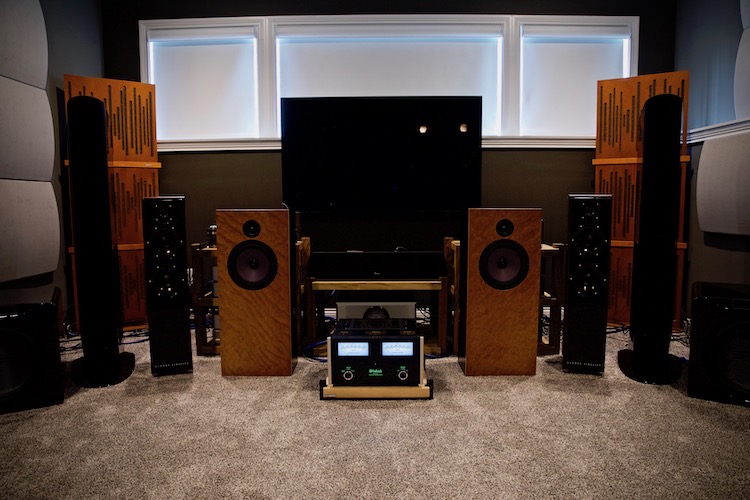
During my review period with the McIntosh MC312, I had the fortune of having a variety of speakers in the house to help with the evaluation, along with my normal selection of gear. I have put a lot of effort into finding synergy in my system, which really helps during the review process.
For those who have read some of my previous articles, you’ll know that I have a bit of a hybrid system combining a high-quality 2-channel system with my Dolby Atmos theater setup. The main speakers and amplification are shared between both systems, but the 2-channel system uses a dedicated pre-amplifier, while the theater uses a dedicated Dolby Processor.
The main amplifier that I have been using for the past couple of years has been a Pass Labs X350.8, which is a stellar amp, to say the least. It’s twice the price of the $7,000 McIntosh amp, and 50 watts more per channel output. It was going to be interesting to see how the two compared both in 2-channel and multi-channel listening.
The other components that were used during this evaluation period were as follows:
- Amplifiers: Pass Labs X350.8, Line Magnetic LM 845 Premium integrated amp, PS Audio Stellar S300
- Pre-amplifier: PS Audio BHK Signature Preamp
- Turntable: VPI Prime Signature
- Phono pre-amplifiers: Pass Labs XP-17, Sutherland Engineering 20/20
- Speakers: GoldenEar Technology Triton Reference, DeVore Fidelity Super Nine, DeVore Fidelity O/93
- Subwoofers: SVS SB-16 Ultra (x2)
- Cables: Mostly Cardas Audio Clear
- Rack: Massif Audio Design custom rack
- Power Conditioning: Audioquest Niagara 1000 (x2)
- Acoustical room treatments: Vicoustics
Before I get into details, let me first talk a little bit about my listening habits, and what I like. Why? Because if I fail to describe that, I could potentially lead you, my reader, down a path that may not fall in line with your listening habits. When reading any review, you need to remember that this is what I personally like, what my room sounds like, and what gear I have paired together. Your results may vary!
I have said this in other articles, but I want to say it again. I like a big and bold presentation to music. Whether you’re going to a rock concert, or a small club featuring live blues, you get hit in the face (and gut) with guitars and drums. It’s not an intimate or quiet event. You feel the music and you’re involved in the performance. Bands typically don’t play “soft”, neither does my listening room. I listen for enjoyment, and to experience dynamics, clarity, and detail. It’s all personal preference. So please keep that in mind while reading through my review(s) to ensure that you’re keeping it in context.
Now that I told you about how I like my music big and bold, let me tell you a bit about how the MC312 performed…at low levels! Sometimes I may sit in my listening room with the sound down lower when I’m working on something else (emails, research, etc). During these times I’m not actively listening or being critical, but rather enjoying a little background music. What struck me one day was the details and imaging I was catching despite the fact that my focus was elsewhere. Since it caught my interest, and particularly since I’ve hardly ever been happy with lower-level listening, I put down the computer just to listen. Was it possible that I was actually enjoying the music, despite the fact that it was turned down low? Was I imagining this simply because it was a new amplifier sitting in front of me that also happened to be luring me in by its beautiful glowing meters (I’ve always been a sucker for meters!)?
So after a short period of time, I picked the computer back up and started to take notes starting with the line: “For the first time, I find myself listening at lower volume levels, and really liking the presentation. Jazz, in particular, has been very good.” The MC312 was able to break through a barrier that had never happened before, so that made a huge impression.
Now when I listened to music at my normal volume levels, I was even more impressed with the MC312. I bounced around a lot between the GoldenEar Triton Reference, DeVore Fidelity Super 9’s, and the DeVore Fidelity 0/93’s. They’re all fantastic speakers, and they have their own areas of expertise. The Triton Reference plays well, “big and bold”, and are great all-around speakers. The Super 9’s are tremendous imaging speakers, and play a little subtler than the big Tritons. And the O/93’s are a very sensitive pair of 2-ways with a high level of dynamics and play extremely well in a near-field setting.
Even when cranking at ear-splitting volumes for extended periods of time, the McIntosh MC312 barely broke a sweat or generated heat. I could literally put my hand on top of the amplifier, and find it warm at best. The Pass Labs X350.8, on the other hand, would generate enough heat to warm the entire room. Now granted, all 3 sets of these speakers present a relatively easy load on an amplifier, but even when playing at high volumes, the meters barely registered 60 watts. So needless to say, there are a lot of reserves for huge dynamic swings on even demanding speakers.
When playing Roger Waters Amused to Death album through the Super 9’s, it was literally a spooky 3-dimensional presentation. Now granted, imaging is a strong suit of the new DeVore’s, but without good source components and amplification, you simply can’t achieve this level of depth, dimension, and detail. I’ve listened to this album in every format as many times as you can imagine but never had I come close to the pinpoint positioning of sound effects as I did with the MC312 in charge. When the hairs on your arms rise during a listening session, and you get a huge grin on your face, you know that (a) you’re having a tremendous amount of fun, and (b) you’re listening to true reference-quality equipment.
And when inserting the MC312 into my Dolby Atmos system, it didn’t matter what material I was throwing at it. Impactful action movies, concerts, or even multi-channel mixed music, the MC312 provided me with every bit of detail and dynamic swing that I desired and was used to.
- Runs extremely cool
- Those beautiful glowing meters!
- Timeless industrial design
- Made in U.S.A.
- More power than you’ll ever need
- Balanced and unbalanced outputs
- None
I’m not going to make such a bold claim as a $7,000 amp being affordable or value, because it’s simply out of most people’s price range. But when you make it relative to other high-end offerings out there, it’s an absolute steal!
My $14,200 Pass Labs X350.8 amplifier is reference quality and can be the centerpiece of any system outside of the true esoteric setups. When I compare the McIntosh MC312 to it, however, I find that it equals the mighty Pass Labs in some areas, and surpasses it in others. It’s not a knock against the Pass by any means…I absolutely love Pass Labs gear. But it really shows how good of a job that McIntosh has done to create a world-class stereo amplifier for just $7,000.
During the evaluation period of a couple of months, I tried to find fault in the MC312, but I simply couldn’t. McIntosh has succeeded in engineering one of the finest stereo amplifiers for under $10k that you can purchase today. It is literally as much or more of an amplifier that one could ever want or need, and it may even be the last one that you’ll ever wish to buy!
July 2019


McIntosh Labs MC312 Power Amplifier
One of the best amplifiers of 2019!
Review By Andre Marc Of NOVO High-End Magazine

McIntosh Labs is a longstanding entity that defines the term ‘legendary’ when high-end audio hobbyists discuss companies that helped create the market for top shelf home playback equipment. In fact, McIntosh celebrated its 70th anniversary recently. Clearly, they set standards, and continue to offer new and interesting products to this day. The upstate New York based company has had its trials and tribulations, but it has never been in better standing, and its products continue to be desirable globally. McIntosh is currently owned by McIntosh Group, a company that also own several other highly regarded brands including Audio Research and Sonus Faber.
McIntosh became well known for their tube amps early on, and lust inducing industrial design that to this day is unmatched. Their tuners and preamplifiers are truly legendary. In fact there is an entire cottage industry built around collecting and restoring these components, and vintage aficionados pay high prices for well-preserved units. Of course the McIntosh name became synonymous with classic tube amplification. Interestingly, they later moved into solid state designs as times changed. In keeping contemporary, the company currently has an impressive suite of digital front ends, turntables, and even speakers.
In late 2018, McIntosh introduced the MC312 power amplifier, the subject of this review, a model that is an update of their MC302 amp. It retails for $7000, and offers some notable upgrades over the previous model. The power output is the same, at 300 Watts per channel stereo, but the higher filter capacity increases the dynamic headroom by some 27%. Other changes include improved internal components and wiring.
The MC312, like all the high powered solid-state amps in their lineup, uses their proprietary Autoformer technology. It is designed to deliver the amp’s full 300 Wpc regardless of speaker load. In fact, unusually, the MC312 has 2, 4, and 8 Ohm taps at the back of the chassis. I am quite familiar with the McIntosh solid state sound, and with the Autoformer technology, as I owned their MA6600 integrated amp for a number of years. That amp had no trouble driving any speaker I had on hand, and was rated at 200 Watts per channel.

The MC312 also has balanced XLR and unbalanced RCA outputs, as this enables bi-amp’ing or use of a powered subwoofer. There is also onboard circuit and speaker protection to protect your speakers and to prevent clipping. In addition to this you’ll find a link to allow for the automatic powering on or off of other McIntosh components. When the MC312 arrived, it was clear that this was a two man job to unpack and install it. At over 100 pounds, and with a glass front panel, it took both muscle and finesse to get it into my audio rack safely. Once that was done, it was hard not to marvel at the build quality, which is off the charts, and the distinctive appearance. It had all the hallmarks of classic McIntosh, including the blue lit meters, the beautifully machined round power and selector knobs, and superb quality connectors around back. The amp was connected in balanced mode with XLR cables and the 4 Ohm tap was used.

Listening
After giving the MC312 ample break-in time, what followed was an extended period of uninterrupted musical joy. The amplifier drove my Magnepan 1.7i speakers with ridiculous ease. The stereo spread was wide, spacious, and deeper than I have heard with any amplifier with these speakers. Over the course of several months, I used all music formats to evaluate the MC312, including CD, high resolution digital, and LP. I even snuck in some reel to reel tape. An album that was extremely enjoyable with the MC312 was the self-titled offering from Dicky Betts & Great Southern. The twin guitar interplay and Southern rock vibe from one of the key architects of The Allman Brothers Band, sounded earthy and soulful, and made me think I had previously underrated this fine recording. The MC312 made the tone of Betts’s guitar immediately identifiable, and his vocals were also presented very nicely, in the center of the mix.
Bouncing to the excellent Mobile Fidelity SACD mastering of The Byrds 1968 opus, The Notorious Byrd Brothers, was equally rewarding. The trippy, spaced out folk rock swirled around the speakers, with little nuances in the mix I had not previously noticed on this album. The MC312 yet again reminded me of how Mobile Fidelity continues to produce excellent archival releases. The MC312 made it easy to distinguish each band member’s contribution, from David Crosby’s rhythm guitar and harmony vocals, to Roger McGuinn’s 12 string guitar. The seamlessness of the presentation made for a very engaging listen.
A related release I spun, an original pressing of The Byrds’ mastermind Roger McGuinn’s 1973 self-titled solo album, was so nicely textured, it warranted several plays through. McGuinn, free of The Byrds moniker, threw in everything from traditional folk, Caribbean, and even some jazzy touches on to this album. The rock solid center image the MC312 produced was really spotlighted here. The timbre of McGuinn’s voice was superbly rendered, and the richness of the acoustic guitar parts was on target. The MC312 also showed me here, it had an exceptionally clean, open, and accurate midrange.
Changing gears, I cued up a fantastic new release by New York based jazz saxophonist, Jerome Sabbagh co-billed with guitarist Greg Tuohey, on No Filter. This unique release was recorded and mixed to analog tape, and cut to vinyl by the legendary Bernie Grundman with an all analog mastering chain. The LP comes with a 24 bit download card as well. The music is sublime, very much reflective of the urban environment it was recorded in, with dark and light themes percolating throughout each side. The timely track titled “Chaos Reigns” was a tour de force via the MC312, with all the syncopation and interesting accents remarkably cohesive. The MC312 proved without a doubt it excelled at pace and timing here. The amp also was exceptional at articulating bass lines, which captured the propulsions of the music wonderfully.
The MC312 also put the 24-bit/48kHz download of Memphis roots singer Valerie June’s Pushin’ Against A Stone in a new light for me. This 2013 release is beautifully recorded and put June on the map as a distinctive stylist who blends Americana, for lack of a better term, with bits of psychedelic, and ethereal, bluesy rock. The songs have deep emotional resonance, and the mix is just modern enough to balance things out. The MC312 easily let me hear a large amount of space between the instruments and the pure bell-like tone of June’s voice, highlighting its transparency. As a side note, I highly recommend the follow up to this album called The Order Of Time.
The final album I played with the MC312 in the system is a little known progressive rock masterpiece Go, by Stomu Yamashta, who is joined by Steve Winwood, and legendary drummer Michael Shrieve, a key member of the original Santana. The music is expansive, with epic string arrangements and beautiful song structures. Hearing this with the McIntosh providing solid imaging and excellent depth was really the climax of my time with the MC312, as it allowed me to discover this hidden gem in a brand new light, goosebumps in tow. The MC312 was perfect for presenting the wide screen, symphonic qualities of this recording due to its wide sound staging.
In fact, throughout the time the MC312 was in my system, I had an irresistible urge to “crate dig” through my own music collection and pull out lesser known music, and the pleasures revealed that came from these buried treasures was most welcomed. A component that makes you want to listen to as much music as possible, such as the MC312, is what it is all about. The MC312 was able to shine new light on well-worn favorites.
I tried hard to find fault with the MC312’s tonal balance, but to no avail. It was simply ideal for my system and my room. I felt the perspective was not quite in the front row, and definitely not in the back row, but actually somewhere perfectly in the middle. Dynamic contrasts were really natural when present in the recordings. This may be all or partly due to McIntosh’s Autoformer technology with its constant power delivery, and the low noise floor. To this listener, these are hugely important factors, especially with relatively power hungry speakers like the Magnepans or even somewhat efficient speakers in a larger listening space.
To me Magnepan speakers are among the most seamless, coherent transducers on the market, and that could be a reason the MC312 was so enjoyable in my system. The two products share many of the same characteristics, including transparency, musicality, and perspective. Another huge factor they have in common is very low distortion, which accounts for the superb imaging, midrange transparency, and smooth treble performance.
Summary
I can summarize the sonic performance of the McIntosh performance rather easily. The descriptors that come to mind are effortless, spacious, transparent, and utterly grain free. I could not hope for more from a high class, well-engineered solid state amplifier. The sense of effortlessness really does make a difference in musical enjoyment. It ties into dynamics, which were reproduced naturally. Tonally, the MC312 was spot on; the whole spectrum of sonic colors was wonderfully presented, like a perfectly balanced photograph taken in natural light.
Ergonomically, the MC312 was mechanically dead quiet, ran cool, and provided trouble free performance over the course of the review period. One would expect nothing less than this for an amplifier in this price range, and considering its pedigree. Also, for those not enamored by the blue meter lights, they can be turned off. For me they are a mark of distinction, and added to the ambiance.
Final Analysis
If a prospective buyer is shopping for a transparent, accurate, and sweet sounding solid state amp that can drive virtually any speaker with little or no effort, the McIntosh MC312 should be at the top of the list. It is perhaps the finest, most sophisticated amplifier I have heard in its price range in my system. The McIntosh MC312 power amplifier has quite a bit going for it aside from excellent sonics. It also offers a build quality that inspires confidence, and it offers a pride of ownership connected with the McIntosh legacy. Very much recommended!
Related products
-
Ming Da MC 368-BSE
R39,000.00 Add to cart -
Valve Audio Predator Integrated Amplifier
Original price was: R78,000.00.R42,000.00Current price is: R42,000.00. Add to cart -
Synthesis Metropolis NYC200i Integrated Amplifier (Black)
Original price was: R478,000.00.R138,000.00Current price is: R138,000.00. Add to cart -
Quad II Forty Monoblocks
Original price was: R112,000.00.R29,900.00Current price is: R29,900.00. Add to cart