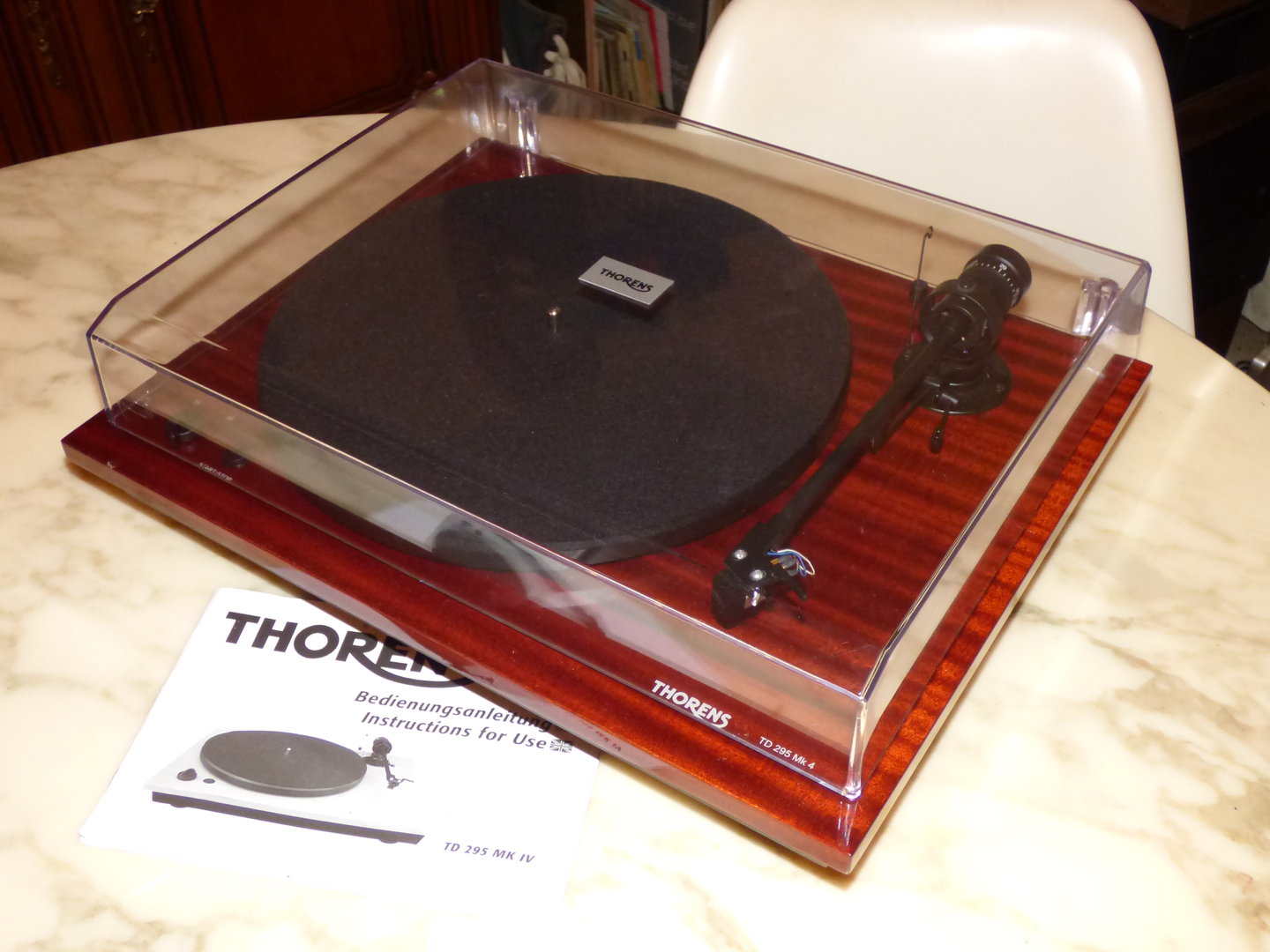
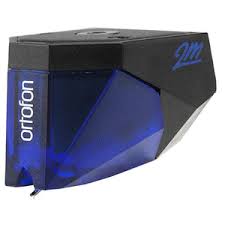
Thorens TD 295 Mk IV + Ortofon 2M Blue is a practical, user-friendly mid-level vinyl combination that pairs a solid semi-automatic belt-drive turntable with one of the most popular and capable moving-magnet cartridges in its price range.
The Turntable: Thorens TD 295 Mk IV
The TD 295 Mk IV (introduced around 2005–2008) is a semi-automatic, two-speed (33⅓ and 45 rpm) belt-drive design. Key features include:
- Electronically controlled AC synchronous motor with electronic speed selection.
- Substantial 12-inch aluminium (or zinc) platter weighing approximately 2.3 kg, topped with a felt mat.
- Thorens TP 41 straight aluminium tonearm (medium mass, fixed headshell in most versions).
- Mechanical auto-lift/stop at the end of the side (the arm lifts and the motor stops; it does not return the arm fully in all descriptions).
- Solid MDF chassis with veneered or piano-lacquer finishes (black, mahogany, silver, etc.), isolation feet, and an acrylic dust cover.
- External power supply, overall weight around 8.5 kg, dimensions roughly 430 × 145 × 365 mm.
It was positioned as a lifestyle-oriented yet capable deck—more refined and heavier than basic entry-level models, with convenience features that pure manual audiophile turntables omit. Some contemporary observers noted construction similarities to certain Pro-Ject designs of the era, but it carries the Thorens name, styling, and engineering focus on stable speed and quiet operation. Stock cartridge was typically the Audio-Technica AT-95E.
Reviews describe a warmish, smooth, easy-going sound with solid bass, clean midrange, and a slightly rolled or “sepia-toned” treble. It is free of obvious rumble or speed instability when properly set up, musically engaging without being analytical, and very convenient for everyday listening.
The Cartridge: Ortofon 2M Blue
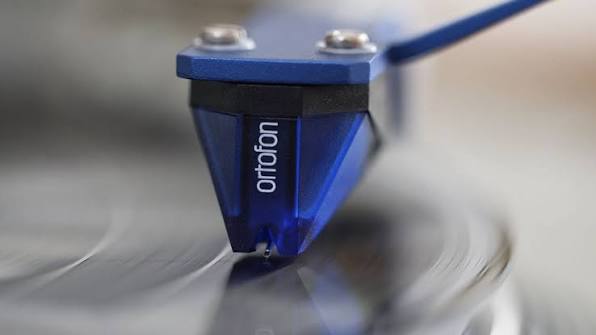
The 2M Blue is the second model in Ortofon’s popular 2M moving-magnet series. Key specs:
- Output: 5.5 mV (easy match for any MM phono stage).
- Stylus: Nude elliptical (r/R 8/18 µm).
- Tracking force: 1.6–2.0 g (recommended 1.8 g).
- Compliance: 20 µm/mN (lateral).
- Frequency response: 20–20 kHz (+2/–1 dB), extending usefully higher.
- Channel separation: 25 dB at 1 kHz.
- Weight: approx. 7.2 g.
It is widely regarded as a significant step up from the 2M Red and from basic stock cartridges such as the AT-95E. Strengths include good timing and dynamics, clear and detailed midrange, extended yet non-harsh treble, solid (if not ultra-deep) bass, and excellent tracking. It is neutral-to-slightly lively, revealing without being fatiguing, and benefits from careful alignment and a decent phono stage. The replaceable stylus is a practical advantage.
Sound of the Combination
Fitted with the 2M Blue, the TD 295 Mk IV becomes a more capable and modern-sounding player than the stock AT-95E version. The Ortofon adds clarity, detail retrieval, and a livelier sense of rhythm and dynamics while retaining the turntable’s fundamentally smooth and non-fatiguing character.
Expect:
- Tuneful, well-controlled bass with good weight and definition.
- Natural, present midrange with clear vocals and instrumental separation.
- Clean, extended treble that is more open and detailed than the stock cartridge without becoming bright or aggressive.
- Decent soundstage width and image stability.
- Strong tracking and low distortion on most records.
The overall presentation is balanced, musical, and easy to live with—more refined and informative than a basic entry-level deck, yet still convenient thanks to the semi-automatic operation. It does not match the ultimate resolution, scale, or low-end authority of higher-end fully manual designs (e.g., better Rega, Project, or classic Thorens models with upgraded arms), but it punches well above typical “lifestyle” expectations.
Strengths
- Convenient semi-automatic operation with solid build and attractive finishes.
- Stable speed and quiet running.
- Ortofon 2M Blue brings clear gains in detail, dynamics, and refinement over the stock AT-95E.
- Easy to set up and use; high-output MM cartridge needs only a standard phono input.
- Good everyday musicality without listening fatigue.
Limitations
- Semi-automatic mechanism and arm are competent rather than state-of-the-art; pure manual designs often extract more performance.
- Bass extension and ultimate transparency are good but not exceptional.
- Some early commentary questioned the value relative to similarly priced manual decks (e.g., Rega P3 of the period).
- Performance is still limited by the turntable’s overall engineering level—further cartridge upgrades yield diminishing returns compared with a stronger platform.