Wadia 8 CD Transport Review
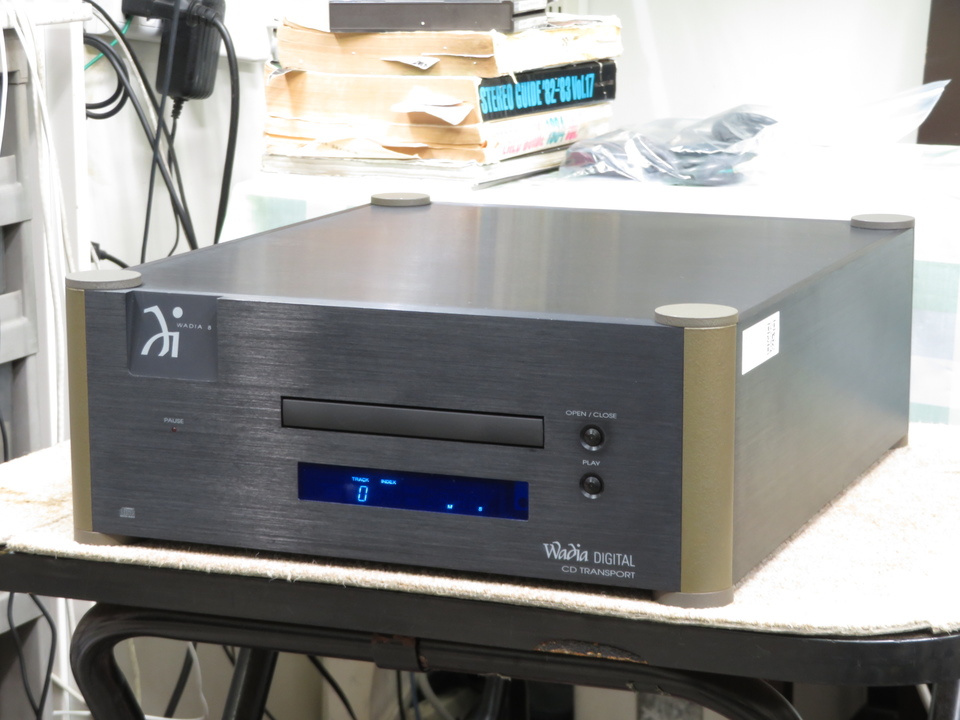
The Wadia 8 is a high-end CD transport from the early-to-mid 1990s, produced by the American company Wadia Digital during the peak of the separate transport + DAC era. It was designed as a dedicated disc spinner intended to feed high-quality digital-to-analog converters, particularly Wadia’s own Digimaster series. Even decades later, it remains a respected classic among enthusiasts who still value Red Book CD playback.
Design & Construction
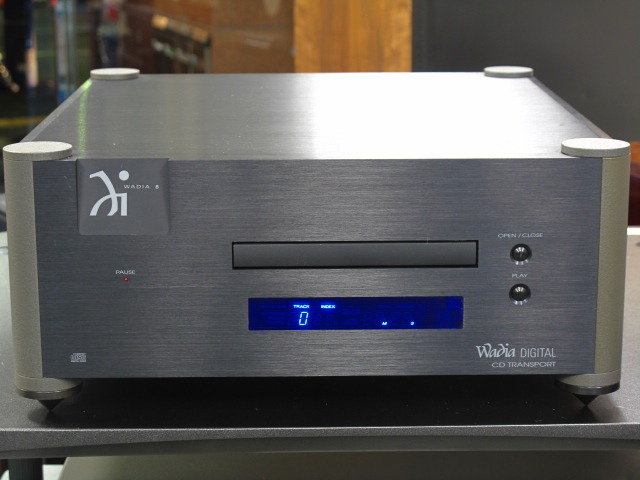
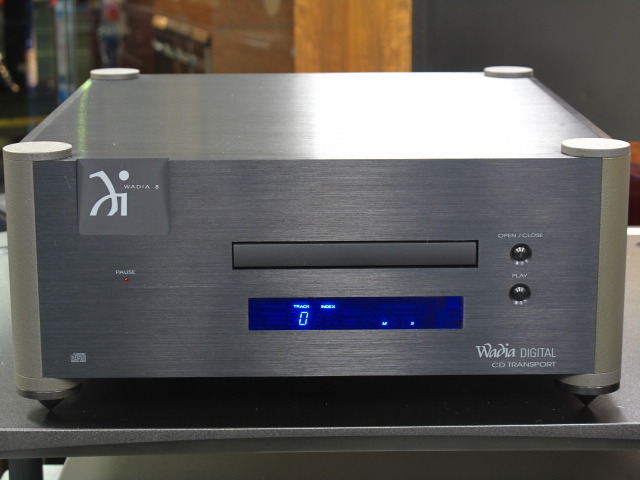
The Wadia 8 is built like a tank. Its chassis uses thick, airborne-computer-quality machined aluminum plates that give the unit substantial mass, rigidity, and effective isolation from external vibration and RF interference. The industrial, no-nonsense aesthetic prioritizes mechanical integrity over flashy styling.
Inside sits a Teac VRDS (Vibration-free Rigid Disc-clamping System) mechanism — specifically a CMK-4 variant with a Sony KSS-151A laser. VRDS was highly regarded in its day for clamping the entire disc to a heavy platter, reducing disc resonance and improving read accuracy. Wadia optimized the internal power supply and digital output circuitry for use with its own DACs rather than simply rebadging a complete Teac transport.
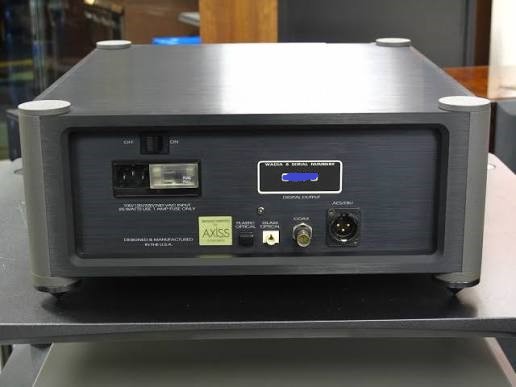
Digital outputs typically include:
- ST glass-fiber optical
- Toslink (plastic optical)
- BNC coaxial
- AES/EBU (XLR)
This comprehensive output suite made the 8 unusually flexible for the period. Original retail price was in the region of $3,000, which was considered expensive given that the core mechanism was sourced from Teac.
Sound Quality
The defining sonic characteristic of the Wadia 8 is its exceptional stereo focus and imaging precision. Reviewers consistently noted pin-sharp, crystalline images locked firmly in space across a broad and deep soundstage. Vocal images in particular were described as tightly focused and tangible, with a strong sense of ambience and atmosphere.
The presentation is refined, unfatiguing, and spacious rather than aggressive or hyper-detailed. It tends to temper brighter or more analytical DACs while pairing especially well with Wadia’s own converters. Timing and rhythmic drive are solid, and the overall character is one of precision and composure rather than overt warmth or romanticism. Bass is controlled and well-defined, though ultimate authority depends heavily on the partnering DAC and system.
When used with capable digital cables and a high-quality DAC, the 8 extracts a high level of information from the disc while maintaining a natural, non-fatiguing flow that encourages long listening sessions.
Strengths
- Exceptional imaging precision and soundstage focus
- Robust, vibration-resistant construction
- High-quality Teac VRDS mechanism with full disc clamping
- Comprehensive digital output options (including ST glass optical)
- Refined, unfatiguing presentation that pairs well with many DACs
- Proven long-term reliability (many units still in service decades later)
- Excellent synergy with Wadia Digimaster and related converters
Limitations
- High original price relative to the cost of the sourced Teac mechanism
- Plastic disc tray feels less substantial than the rest of the chassis
- No longer in production; service and parts can be challenging (though specialized technicians still support them)
- Pure CD transport only — no SACD or other formats
- Performance is highly dependent on the quality of the partnering DAC and digital cable
Verdict
The Wadia 8 stands as a classic example of 1990s high-end digital engineering: overbuilt, carefully optimized, and focused on extracting maximum performance from the Red Book CD format. Its combination of mechanical solidity, precise imaging, and refined musical character earned it a loyal following, and many owners continue to use and value their units long after newer formats and streamers became dominant.
For collectors and enthusiasts who still play physical CDs and pair the transport with a high-quality DAC (especially a Wadia converter), the 8 remains a highly capable and rewarding component. While its original price was steep and modern alternatives exist, the Wadia 8’s build quality, imaging prowess, and enduring reputation make it a noteworthy piece of high-end digital history.